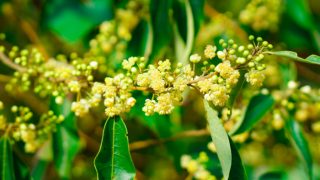
Litsea cubeba essential oil can be quite a mouthful to say and perhaps, that is why this wonderful lemony oil...
Essential Oils
-
-
Carrier oils are essential oils that are safe to use on the skin and hair and can be used to...
-
Ashwagandha essential oil is a relatively lesser-known oil that is known to relieve stress and anxiety. Both these debilitating conditions...
-
Rose geranium oil is a wonderful rose-scented essential oil that has been used in herbal medicines for centuries. The potential...
-
Toothache can be caused due to many reasons, from cavities to gum infections to a new wisdom tooth. While it...
-
One of the persistent problems that every pet parent has to deal with is fleas. Apart from being uncomfortable, fleas...
-
Essential oils offer a wide range of benefits and can support various health challenges ranging from stress, anxiety, and sleep...
-
The best essential oils to help balance hormones and increase wellness are clary sage oil, lavender essential oil, geranium oil,...
-
Using lavender oil for skin has been a traditional aromatherapy practice because of the essential oil’s powerful moisturizing, ...
-
Many people are turning to age-old herbal remedies to cut down on the usage of medications and chemicals on their...
-
As a natural health educator on essential oils and emotions, some of the most common questions I receive are related...
-
Using tea tree oil for skin tags is a common all-natural home remedy, and it is one of the most...
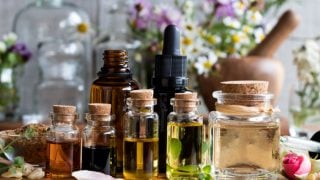
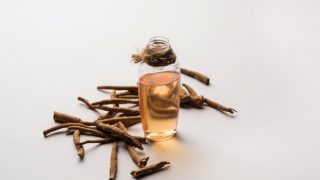
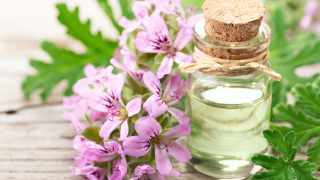
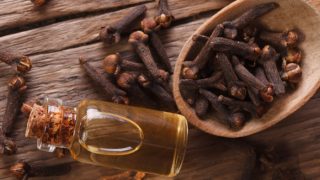



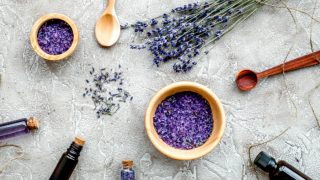
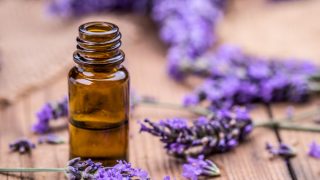

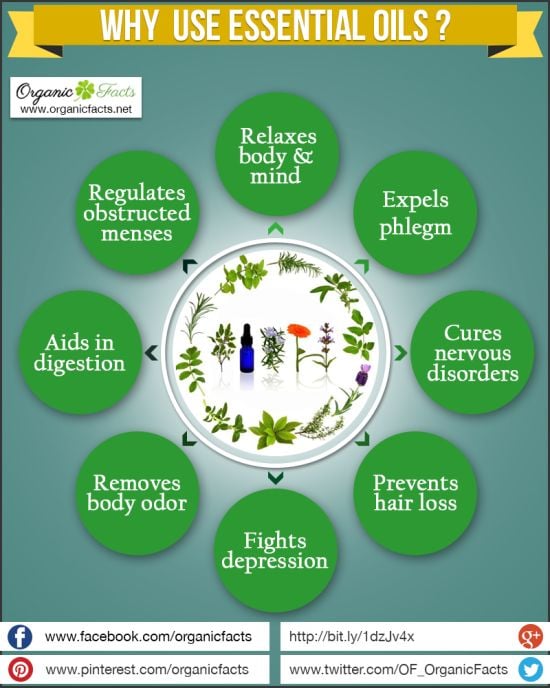
Essential oils are used extensively in aromatherapy and various traditional medicines. Due to the numerous health benefits of essential oils, they are increasingly being explored by the scientific community for the treatment of a variety of diseases including cancer, HIV, asthma, bronchitis, heart strokes, and many more. There are more than 90 essential oils, and each has its own health benefits. Most essential oils blend well with other essential oils in terms of function and odor, which allows herbalists to prepare a vast repertoire of aromatic essential oil combinations.
Below is a list of essential oils that are currently being widely used or researched. Most of these oils are quite strong in nature and can cause side effects if they are not taken in an appropriate manner and dose. Furthermore, their individual benefits are variable, so you should consult a medical practitioner before using these oils, either internally or topically. The benefits of herb are also provided in greater detail on a separate page, so feel free to click on any of those essential oils to know the full extent of its health benefits.
Allspice Essential Oil
Properties: It is considered a good anesthetic, analgesic, antioxidant, antiseptic, carminative, relaxant, rubefacient, stimulant, and tonic.
Health benefits: It has been claimed to induce numbness, relieve pain, relax the body and mind, add color to the skin, and stimulate various other functions.
Angelica Essential Oil
Properties: Angelica essential oil is commonly known as a beneficial anti-spasmodic, carminative, depurative, diaphoretic, digestive, diuretic, hepatic, emenagogue, expectorant, febrifuge, nervine, stimulant, stomachic, and tonic.
Health benefits: It relaxes spasms, reduces gases, purifies the blood, promotes perspiration, improves digestion, increases urination, and removes toxins. Angelica essential oil is also good for liver and stomach, relieves obstructed menstruation, expels phlegm & catarrh, reduces fever, cures nervous disorders, and tones the body.
Anise Essential Oil
Properties: Traditionally, it has been used as an anti-epileptic, anti-hysteric, anti-rheumatic, antiseptic, anti-spasmodic, aperient, carminative, cordial, decongestant, digestive, expectorant, insecticide, sedative, stimulant, and vermifuge.
Health benefits: It is commonly employed to treat rheumatism & arthritis, protect against septics, relax spasms, act as a purgative, remove gases, warm the body, clear congestion, and ease breathing. Furthermore, some practitioners use anise essential oil to facilitate digestion, expel phlegm & catarrh, kill & repel insects, worms, and lice, as well as to relieve nervous afflictions.
Basil Essential Oil
Properties: Basil essential oil is carminative, anti-spasmodic, analgesic, anti-bacterial, and opthalmic.
Health benefits: It has long been used for skin care, indigestion, respiratory problems, infections, stress disorders, blood circulation issues, pain, and vomiting.
Bay Essential Oil
Properties: It is often used as antiseptic, antibiotic, anti-neuralgic, anti-spasmodic, analgesic, astringent, cholagogue, emenagogue, febrifuge, insecticide, sedative, stomachic, sudorific and tonic.
Health benefits: Bay essential oil protects against septic, inhibits microbial growth, gives relief from neuralgia pain, relaxes spasms, provides pain relief, increases appetite, tightens gums & muscles and helps stop hair loss. Other applications of bay essential oil have been used for the treatment of hemorrhage, promotion of bile secretion, relief of obstructed menstruation, and reduction of fever. The essential oil also kills & repels insects, sedates inflammations & nervous afflictions, and is good for the stomach, while increasing perspiration & elimination of excess toxins in the body.
Benzoin Essential Oil
Properties: It is considered an anti-depressant, carminative, cordial, deodorant, disinfectant, relaxant, diuretic, expectorant, antiseptic, vulnerary, astringent, anti-inflammatory, anti-rheumatic, and sedative.
Health benefits: It is great for uplifting moods and fighting depression, and it has also been popularized for eliminating gas build-up, warming the respiratory system, reducing body odor, curing infections, relaxation, promoting urination, and the subsequent removal of body toxins. This useful essential oil also strengthens gums and stops hemorrhaging, cures inflammation, improves circulation, and can help cure arthritis, while calming anxiety and relieving tension.
Bergamot Essential Oil
Properties: It is considered deodorant, vulnerary, vermifuge, antibiotic, antiseptic, antispasmodic, sedative, analgesic, antidepressant, disinfectant, febrifuge, cicatrisant, and digestive in nature.
Healthbenefits:Bergamot essential oil removes body odor, relieves spasms, suppresses pain, improves mood and fights depression, heals cuts and scars, and promotes efficient digestion.
 Birch Essential Oil
Properties: It is a tonic, disinfectant, stimulant & antidepressant, analgesic, detoxifier, antirheumatic and anti-arthritic. Furthermore, it is a diuretic, antiseptic, astringent, febrifuge, germicide, insecticide, and a depurative.
Health benefits:Birch essential oil fights depression, reduces pain, promotes urination, protects wounds from becoming septic, reduces fever, kills germs, and purifies the blood.
Bitter Almond Essential Oil
Properties: It is traditionally used as a vermifuge, febrifuge, bactericide, germicide, fungicide, sedative, anesthetic, aperient, diuretic, anti-intoxicant, antispasmodic, and as a cure for hydrophobia.
Health benefits: The uses of bitter almond essential oil are widely ranged, and include killing worms, reducing fever, killing bacteria, germs, and fungi, sedation and reducing inflammation. It can also cause numbness and act as an anesthetic or desensitizing agent. It is a purgative that increases urination, and helps remove excess water, salt, toxins, and fat from the body, while countering the effects of intoxicants, curing spasms, and helping to cure hydrophobia, which is the fear of water.
Black Pepper Essential Oil
Properties: It is considered a digestive, diaphoretic, carminative, aperient, antispasmodic, antirheumatic, antiarthritic, antibacterial, and an antioxidant.
Health benefits: This essential oil aids in digestion, increases perspiration and helps remove toxins from the body. It also helps to remove gases from the intestines and does not let them build up while acting as a purgative, curing spasms, and helping to treat arthritis and rheumatism by removing uric acid and other toxins from the body. Black pepper essential oil inhibits bacterial growth, fights premature aging, and neutralizes free radicals that damage the body in countless ways.
Boldo Essential Oil
Properties: It is classified as many things, including anti-inflammatory, antirheumatic, antiseptic, cholagogue, digestive, diuretic, hepatic, insecticide, narcotic, stimulant and vermifuge.
Health benefits: It has been known to reduce inflammation, treat rheumatism & arthritis, protect against septic, promote bile secretion, facilitate digestion, and increase urination and the removal of toxins from the body. It is good for the liver, and kills and repels insects.
Buchu Essential Oil
Properties: It is used as an antiseptic, antirheumatic, antiarthritic, carminative, digestive, diuretic, insecticide and a tonic.
Health benefits:Buchu essential oil protects against septic, treats rheumatism and arthritis, removes gas, facilitates digestion, increases urination & removal of toxins, tones up the body’s musculature, while also repelling and killing insects.
Cajuput Essential Oil
Properties: It is commonly used as an antiseptic, cosmetic, bactericide, insecticide, decongestant, analgesic, expectorant, febrifuge, vermifuge, anti-spasmodic, anti-neuralgic, carminative, stimulant, tonic, sudorific, and emenagogue.
Health benefits: It protects wounds from becoming septic, takes care of skin, kills bacteria and insects, cures congestion in the respiratory system, reduces pain, cures coughs, reduces fever, cures spasm, and gives relief from the pain of neuralgia. Cajuput essential oil also removes gases, stimulates secretions and nerve responses, tones up organic systems, increases perspiration, gives relief from obstructed menses and regulates consistent menstruation.
Calamus Essential Oil
Properties: It is commonly known as an anti-rheumatic, anti-spasmodic, cephalic, circulatory stimulant, memory booster, nervine, stimulant and as a tranquilizer.
Health benefits:Calamus essential oil treats rheumatism and arthritis, relaxes spasm, and inhibits microbial growth, while being good for the brain and memory. Furthermore, it increases blood & lymph circulation, cures nervous disorders, and induces sleep.
Camomile Essential Oil
Properties: Traditionally, camomile essential oil has been used for almost anything you can imagine, including its use as an anti-spasmodic, antiseptic, antibiotic, antidepressant, anti-neuralgic, antiphlogistic, carminative, cholagogue, cicatrisant, emenagogue, analgesic, febrifuge, hepatic, sedative, nervine, digestive, tonic, bactericidal, sudorific, stomachic, anti-inflammatory, anti-infectious, vermifuge, and vulnerary.
Health benefits: Camomile essential oil is known to cure spasms, protect wounds from becoming septic and infected, curb biotic growth and infections, fight depression and uplift mood, cure neuralgic pain by reducing swelling in the effected vessels, and soothe inflammation from fever. It also eliminates gases, promotes discharge of bile, helps decrease visibility of scars, opens up obstructed menses and regulates them, cures pain, reduces fever, and is good for liver. Furthermore, camomile essential oil sedates inflammation and hyper-reactions, improves nervous system health, aids digestion, reduces spasms, kills bacteria, increases perspiration, improves digestion, and fights infections. It is one of the most popular and useful essential oils out there!
Camphor Essential Oil
Properties: It is a stimulant, antispasmodic, antiseptic, decongestant, anesthetic, sedative, nerve pacifier, anti-neuralgic, anti-inflammatory, disinfectant, and an insecticide.
Health benefits:Camphor essential oil cures spasms, protects wounds from infections, eliminates congestion, desensitizes and acts as local anesthetic, calms nervous disturbances, cures neuralgic pain, soothes inflammation, fights infections, and kills insects.
Caraway Essential Oil
Properties: It is a Galactogogue, anti-histaminic, antiseptic, antispasmodic, carminative, digestive, stomachic, disinfectant, diuretic, emenagogue, expectorant, aperitif, astringent, insecticide, stimulant, tonic, and vermifuge.
Health benefits: It has been known to increase milk in the breasts, curb histamine to fight coughs, protect wounds against becoming septic, and is very good for the heart. Furthermore, this essential oil cures spasms and cramps, removes excess gas, promotes digestion, maintains stomach health, fights infections, increases urination and helps remove toxins from body. Finally, it regulates menstrual cycles, cures coughs, increases appetite, contracts gums and muscles, kills insects, stimulates secretions, and generally increases overall health.
Cardamom Essential Oil
Properties: It is considered an anti-spasmodic, and it also neutralizes the adverse effects of chemotherapy, reduces nausea. It is used as an antiseptic, anti-microbial, aphrodisiac, astringent, digestive, stomachic, stimulant, and diuretic agent.
Health benefits: It has been known to cure spasms, fight nausea, protect wounds and incisions, curb microbial growth, increase libido, contract gums, promote digestion, and maintain stomach health. It stimulates secretions and other functions, increases urination and thereby removes extra salt, bile, water, toxins and fat from the body.
Carrot Seed Essential Oil
Properties: It is antiseptic, disinfectant, detoxifying, antioxidant, carminative, depurative, diuretic, emmenagogue, stimulant, cytophylactic, and a tonic.
Health benefits: Protects wounds from becoming septic, fights infections, removes toxins from the body, neutralizes free radicals and reverses the effects of oxidation. Furthermore, it removes excess gas and does not let it build up in the body, while purifying blood by removing toxins, increasing urination, opening and regulating menses, stimulating secretions, and promoting the regeneration of new cells.
Cassia Essential Oil
Properties: It is commonly used as an anti-diarrheal, antidepressant, antiemetic, anti-galactagogue, antiviral, antimicrobial, antirheumatic and an anti-arthritic. Besides all those “anti-s”, cassia essential oil is also an astringent, carminative, circulatory, emmenagogue, febrifuge and a stimulant.
Health benefits: It has been known to eliminate loose stool and diarrhea while fighting depression and uplifting mood. It can also stop vomiting, reduce milk flow, inhibit microbial growth, treat rheumatism and arthritis, tighten gums & muscles and help stop hair loss. This powerful oil is also thought to reduce hemorrhaging, fight viral infections, remove excess gas, improve blood & lymphatic circulation, relieve obstructed menstruation, and reduce fever.
Catnip Essential Oil
Properties: This lesser-known essential oil is anti-spasmodic, carminative, diaphoretic, emmenagogue, nervine, stomachic, stimulant, and astringent.
Health benefits: It is commonly used to fight spasms, remove gases, promote sweating, open obstructed menses and regulate their cycles, strengthen the nervous system, maintain stomach health, and generally stimulate appropriate system functioning in the body.
Cedarwood Essential Oil
Properties: It is anti-seborrhoeic, antiseptic, antispasmodic, tonic, astringent, diuretic, emenagogue, expectorant, insecticidal, sedative, and a fungicide.
Health benefits: Cedarwood is known to help cure seborrhoea, heal wounds, fight spasms, cause contractions in the gums, muscles, tissues, skin and blood vessels, while increasing urination and the subsequent removal of toxins, water, salt and fat from the body. It also regulates menstrual cycles, cures coughs and colds, kills insects, sedates inflammation and nervous disturbances, and inhibits fungal growth and infections.
Cinnamon Essential Oil
Properties: It is antibacterial, antifungal, anti-microbial, astringent, anti-clotting, stimulating, cooling, and carminative in nature.
Health benefits: It is frequently employed as a brain tonic, as well as for respiratory problems, skin infections, blood impurity, blood circulation issues, infections, wound healing, pain relief, birth control, menstruation problems, breastfeeding, heart disorders, diabetes, colon cancer, indigestion, and as a relief for bad breath!
Citronella Essential Oil
Properties:Citronella essential oil is an anti-bacterial, antidepressant, antiseptic, anti-spasmodic, anti-inflammatory and deodorant, all rolled into one. It is also diaphoretic, diuretic, febrifuge, fungicidal, stomachic, stimulant, tonic and vermifuge. Perhaps most well known in recent years is its use as a very effective insect repellent.
Health benefits: This useful oil inhibits bacterial, microbial, viral & fungal infections while also killing insects, protecting wounds from becoming septic, relaxing spasms, soothing inflammations, eliminating body odor, stimulating perspiration, increasing urination and the removal of toxins from the body, reducing fever, and repelling insects. Finally, it is beneficial for stomach health and digestion.
Clary Sage Essential Oil
Properties: It is well-known as an antidepressant, anticonvulsive, antispasmodic, antiseptic, aphrodisiac, astringent, bactericidal, carminative, deodorant, digestive, emenagogue, euphoric, hypotensive, nervine, sedative, stomachic, and uterine.
Health benefits:Clary sage essential oil fights depression and uplifts mood, stops convulsions by sedating nervous disturbances, relaxes spasms, protects wound from becoming septic, reduces sexual dysfunction and increases libido, causes contractions, kills bacteria and curbs bacterial growth. It also removes excess gas, eliminates body odor, improves digestion, relieves obstructed menstruation, lowers blood pressure, and makes improves the health of the nervous system. Finally, clary sage essential oil sedates various extreme emotions and anxiety, while maintaining good stomach health and fixing any damage sustained by the uterus.
Clove Essential Oil
Properties: It is anti-microbial, anti-fungal, antiseptic, antiviral, aphrodisiac, and stimulating in nature.
Health benefits:Clove essential oil has long been used in treatments related to dental care, like toothaches and cavities. It is also used cure infections, skin conditions, stress, headaches, respiratory problems, earaches, indigestion, nausea, blood circulation issues, blood purification, diabetes, immune system weakness, premature ejaculation, cholera, and sties.
Coriander Essential Oil
Properties: For centuries, this essential oil has been used as an analgesic, aphrodisiac, anti-spasmodic, carminative, depurative, deodorant, digestive, fungicide, lipolytic, stimulant, and stomachic.
Health benefits: It has been well-reported to reduce pain, increase libido, reduce spasms, eliminate excess gas, purify the blood, decrease body odor, promote digestion, and inhibit fungal growth and infection. Furthermore, it reduces fat by breaking it down through hydrolysis, and maintains good health and tone of the stomach.
Cumin Essential Oil
Properties: This essential oil is bactericidal, carminative, digestive, diuretic, antiseptic, antispasmodic, detoxifying, emenagogue, stimulant, nervine, and tonic in nature.
Health benefits: It has been known to kill bacteria and inhibits bacterial infection, while removing excess gas from the intestine, promoting digestion, increasing urination, and protecting wounds against becoming septic. It also reduces spasms, removes toxins from the blood, regulates the menstrual cycle, and is good for the response time of the nervous system.
Cypress Essential Oil
Properties: It is considered an astringent, antiseptic, anti-spasmodic, deodorant, diuretic, hemostatic, hepatic, styptic, sudorific, vasoconstrictor, respiratory tonic, and sedative.
Health benefits:Cypress essential oil strengthens gums and contracts muscles, protects wounds against infections, clears spasms, removes body odor, increases urination, promotes perspiration, strengthens the respiratory system, and soothes inflammation.
Davana Essential Oil
Properties: It is commonly used as an antidepressant, antiseptic, antiviral, disinfectant, emmenagogue, expectorant, relaxant and vulnerary.
Health benefits: Traditionally, it is used to fight depression and uplift mood, protect against wounds becoming septic, fight viral infections, and provide relief from obstructed menstrual cycles and regulate them. It also expels phlegm & catarrh, relaxes the body and mind, while healing wounds.
Dill Essential Oil
Properties: It is commonly used as an anti-spasmodic, carminative, digestive, disinfectant, galactagogue, sedative, stomachic, and sudorific.
Health benefits: It is frequently used to relieve spasms, eliminate excess gas, promote healthy digestion, prohibit infections, increase secretion of milk, soothe hypersensitivity and anxiety while being good for the stomach and increasing perspiration.
Elemi Essential Oil
Properties: It is used as an antiseptic, analgesic, expectorant, stimulant and tonic.
Health benefits: It is very useful in protecting against septic, relieving pain, expelling phlegm & catarrh, and generally increasing the muscle tone and health of the body.
Eucalyptus Essential Oil
Properties: It has a number of important qualities, including anti-inflammatory, antispasmodic, decongestant, deodorant, antiseptic, antibacterial, and stimulating.
Health benefits: It is very useful in the treatment of respiratory problems, wounds, muscle pain, mental exhaustion, dental care, skin care, diabetes, fever, and intestinal germs.
Fennel Essential Oil
Properties:Fennel essential oil is an antiseptic, anti-spasmodic, aperitif, carminative, depurative, diuretic, emmenagogue, expectorant, galactogogue, laxative, stimulant, stomachic, splenic, tonic, and a vermifuge.
Health benefits: It has also been found to protect wounds against becoming septic, and it clears spasm, increases appetite, removes excess gas, purifies the blood, increases urination, and promotes a regulated menstrual cycle. Fennel essential oil defends against cough and cold, increases milk secretion, helps clear bowels and constipation, stimulates systems, and is good for stomach and spleen health.
Frankincense Essential Oil
Properties: It is commonly used as an antiseptic, disinfectant, astringent, carminative, cicatrisant, cytophylactic, digestive, diuretic, emenagogue, expectorant, sedative, tonic, uterine, and vulnerary.
Health benefits:Frankincense essential oil protects wounds from becoming septic, fights infections, induces contractions in gums, muscles, and blood vessels, and removes excess gas, heals scars, keeps cells healthy and promotes their regeneration. It promotes digestion, increases urination, regulates menstrual cycles, cures coughs and colds, soothes anxiety and inflammation, and ensures good health of the uterus.
Galbanum Essential Oil
Properties:Galbanum essential oil has been used as an anti-arthritic, anti-rheumatic, anti-spasmodic, cicatrisant, circulatory stimulant, decongestant, detoxifier, emollient, insecticide, anti-parasitic and vulnerary.
Health benefits: Traditionally, it has been known to treat rheumatism and arthritis, relaxes spasm, clears scars and spots, increases blood and lymph circulation, clears congestion, and eases breathing. Furthermore, it removes toxins, improves skin health, kills & repels insects, eliminates parasites, and speeds up the healing of wounds.
Geranium Essential Oil
Properties: It has a range of qualities, including use as an astringent, haemostatic, cicatrisant, cytophylactic, diuretic, deodorant, styptic, tonic, vermifuge, and vulnerary.
Health benefits: It is employed to induce tightening of the gums, muscles, skin and blood vessels and in stopping hemorrhage, scar healing, promotion of cell growth, and increased urination. It is also used to stop body odor, tone up the body, and kill intestinal parasites and worms.
Ginger Essential Oil
Properties: It can be used as an analgesic, antiemetic, antiseptic, antispasmodic, bactericidal, carminative, cephalic, expectorant, febrifuge, laxative, rubefacient, stimulant, stomachic, sudorific, and tonic.
Health benefits:Ginger essential oil has been known to cure pain, stop vomiting, protect from wounds becoming septic, and relax spasm. Some practitioners also use it to inhibit bacterial growth, eliminate gas, and improve brain and memory function, while helping to expel phlegm & catarrh. Finally, it is known to break fevers, clear bowels, bring color to the skin, improve stomach health, and promote sweating, which helps removes toxins from the body.
Grapefruit Essential Oil
Properties: This substance is a diuretic, disinfectant, stimulant, antidepressant, antiseptic, aperitif, lymphatic, and a tonic.
Health benefits: In various parts of the world, it is used to stimulate urination, fight infections, reduce depression and uplift mood. It also protects wounds from becoming septic while increasing the elimination of toxins.
Helichrysum Essential Oil
Properties: This essential oil is antispasmodic, anti-coagulant, ant-iallergenic, anti-microbial, anti-haematomic, antiphlogistic, nervine, anti-inflammatory, antitussive, cicatrisant, expectorant, febrifuge, anti septic, cholagogue, emollient, mucolytic, fungicidal, hepatic, diuretic, splenic, and cytophylactic.
Health benefits: Patients regularly use this essential oil because it reduces spasms, maintains the fluidity of blood, fights allergies, inhibits microbial infections, dissolves and clears blood clots, reduces inflammation from fever, and is good for nervous system health. Furthermore, it reduces various other types of inflammation, clears phlegm and reduces coughs, heals scars, protects wounds from becoming septic, stimulates proper bile discharge into the stomach, makes skin smooth and young, dissolves mucus, and kills fungus. It is also notoriously good for liver and spleen, while stimulating urination and regeneration of new cells.
Hyssop Essential Oil
Properties:Hyssop essential oil is an astringent, stimulant, anti-spasmodic, antirheumatic, antiseptic, carminative, cicatrisant, digestive, diuretic, emenagogue, expectorant, hypertensive, nervine, sudorific, tonic, febrifuge, vermifuge, and vulnerary.
Health benefits: It induces the tightening of gums, muscles, skin and blood vessels, while reducing spasms, eliminating excess gas, as well as promoting quick healing of scars and after-marks. Furthermore, it promotes digestion, increases urination, regulates menstruation, decreases phlegm and coughs, increases blood pressure, and promotes sweating. It is commonly thought to be good for reducing stress on the nervous system and reducing fevers.
Jasmine Essential Oil
Properties: It is considered an antidepressant, antiseptic, aphrodisiac, antispasmodic, cicatrisant, expectorant, galactagogue, emenagogue, parturient, sedative and uterine.
Health benefits:Jasmine essential oil fights depression and uplifts mood, protects wounds, cures sexual dysfunctions, and increases libido. It also reduces spasms, heals scars and after marks, gives relief from phlegm and coughs, increases breast milk, and regulates obstructed menstrual cycles. The oil also eases the delivery of babies and labor pains, while sedating inflammation and nervous disturbances.
Juniper Essential Oil
Properties:Juniper essential oil has long been known as an antiseptic, sudorific, antirheumatic, depurative, antispasmodic, stimulating, stomachic, astringent, carminative, diuretic, rubefacient, vulnerary and tonic.
Health benefits: This oil protects wounds from becoming septic, increases sweating, cures rheumatism and arthritis, purifies blood, eliminates spasms, stimulates functions, and is good for the stomach. Juniper essential oil also makes gums stronger and stops hemorrhaging, reduces excess gas, promotes urination, brings color to the skin, and generally promotes quick healing of wounds.
Lavandin Essential Oil
Properties: It is commonly used as an antidepressant, antiseptic, analgesic, cicatrisant, expectorant, nervine, and vulnerary.
Health benefits: Lavandin essential oil fights depression, protects wounds from developing infections, reduces pain, heals scars and after-marks, clears phlegm, cures coughs, and strengthens nerves.
Lavender Essential Oil
Properties:Lavender essential oil can be calming, sleep-inducing, analgesic, disinfectant, anti-inflammatory, antiseptic, and antifungal.
Health benefits: This oil is beneficial for the treatment of issues with the nervous system, insomnia, pain relief, urine flow, respiratory disorders, skin care, hair care, blood circulation, indigestion, and immune system health.
Lemon Essential Oil
Properties:Lemon essential oil is an antiseptic, antiviral, astringent, aperitif, bactericidal, disinfectant, febrifuge, haemostatic, restorative, and tonic.
Health benefits: This oil protects from wounds becoming septic, while inhibiting viral and bacterial growth, strengthening gums, and stopping hair loss. Furthermore, it lifts skin, induces firmness in muscles, stops hemorrhage, fights infections, and cures fever.
Lemongrass Essential Oil
Properties: It is an analgesic, antidepressant, antimicrobial, antipyretic, antiseptic, astringent, bactericidal, carminative, deodorant, diuretic, febrifuge, fungicidal, galactogogue, insecticidal, nervine, sedative, and a tonic.
Health benefits: Traditionally, lemongrass reduces pain, fights depression, inhibits microbial growth, reduces high fever, protects wounds from being septic, strengthens gums and hair and reduces hemorrhaging. This essential oil kills bacteria, eliminates gas, reduces body odor, promotes urination, reduces fever, stops fungal infections, increases milk, kills insects, strengthens nerves, soothes inflammation and cures nervous disturbances.
Lime Essential Oil
Properties:Lime essential oil is antiseptic, antiviral, astringent, aperitif, bactericidal, disinfectant, febrifuge, hemostatic, restorative, and tonic.
Health benefits: It is known to protect wounds from becoming septic, protect against viral infection, boost appetite, kill bacteria, fight infections, reduce fever, stop hemorrhage, and generally boost health.
Mandarin Essential Oil
Properties: It is famed for being an antiseptic, antispasmodic, circulatory, cytophylactic, depurative, digestive, hepatic, nervous relaxant, sedative, stomachic and a tonic.
Health benefits: This essential oil protects wounds against becoming septic, relaxes spasms, increases blood & lymph circulation, promotes growth & regeneration of cells, purifies blood, facilitates digestion, and is good for liver. Furthermore, it soothes inflammation and nervous afflictions, while being good for stomach and generally toning up the body.
Manuka Essential Oil
Properties:Manuka essential oil is antidandruff, an antidote to insect bites and stings, as well as antibacterial, antifungal, anti-inflammatory, antihistaminic, antiallergenic, cicatrisant, cytophylactic, deodorant and a great nervous relaxant.
Health benefits: It is commonly used to treat dandruff, counter venomous bites, inhibit bacterial and fungal infections, sedate inflammation, check production of histamine and reduce allergic symptoms. Finally, it quickly clears up scars and spots, promotes growth & regeneration of cells, and reduces body odor.
Marjoram Essential Oil
Properties:Marjoram essential oil is analgesic, anti-spasmodic, anaphrodisiac, antiseptic, antiviral, bactericidal, carminative, cephalic, cordial, diaphoretic, digestive, diuretic, emenagogue, expectorant, fungicidal, hypotensive, laxative, nervine, sedative, stomachic, vasodilator, and vulnerary. Quite busy essential oil!
Health benefits: It is commonly prescribed or chosen for treatment because it reduces pain, eliminates spasms and cures cramps. Marjoram essential oil also protects from wounds becoming septic, inhibits viral and bacterial growth, removes excess gas from intestines, cures headaches, increases perspiration, promotes digestion, increases urination, opens up obstructed menses, cures cough and cold, and dilutes phlegm. Finally, it is known to kill fungus, lower blood pressure, cure constipation, soothe nervous disturbances, widen and relax blood vessels, and generally improving your stomach health.
Melissa Essential Oil
Properties: It is commonly used as an antidepressant, cordial, nervine, emenagogue, sedative, antispasmodic, stomachic, antibacterial, carminative, diaphoretic, febrifuge, hypotensive, sudorific, and tonic.
Health benefits: Normally, it is used in order to reduce the feeling of depression, cure nervous disorders, open blocked menses, sedate inflammation, reduce spasms, and is good for stomach. Furthermore, it inhibits bacteria, removes gas, increases perspiration & removes toxins, while reducing fever, lowering blood pressure and boosting the health of the immune system.
Mugwort Essential Oil
Properties: This essential oil is frequently used as a cordial, digestive, diuretic, emenagogue, nervine, stimulant, uterine, and vermifuge
Health benefits:Mugwort essential oil facilitates digestion, increases urination and removal of toxins, treats nervous disorders, stimulates systemic functions, maintains uterine health, and kills intestinal worms.
Mullein Essential Oil
Properties: It is an analgesic, anti-inflammatory, antiseptic, disinfectant, diuretic, expectorant, febrifuge, relaxant and tranquilizing.
Health benefits: It is frequently used for pain relief, and as a way to sedate inflammation, protect against wounds becoming septic, fight infections, increase urination and remove toxins from the body. Furthermore, it expels phlegm & catarrh, reduces fever, relaxes the body and mind. It is also good for inducing sleep.
Mustard Essential Oil
Properties: It has been traditionally used as a stimulant, irritant, appetizer, antibacterial, antifungal, insect repellant, hair revitalizer, cordial, diaphoretic, antirheumatic and tonic.
Health benefits:Mustard essential oil is great for stimulating discharges, increasing appetite, inhibiting bacterial and fungal growth, keeping insects away, and boosting hair growth. Also, it is frequently used to reduce hair loss, increase perspiration, stimulate circulation and help cure rheumatism, while generally boosting health and immune system functions.
Myrrh Essential Oil
Properties: This type of essential oil is an antimicrobial, astringent, expectorant, antifungal, stimulant, carminative, stomachic, anti-catarrhal, diaphoretic, vulnerary, antiseptic, immune booster, circulatory, tonic, anti-inflammatory, antispasmodic.
Health benefits: This has been traditionally used to curb microbial growth, tighten gums and muscles and reduce hemorrhage. Furthermore, it helps alleviate coughs and colds, stops fungal growth, stimulates discharges and systems, reduces excess gas, is good for stomach health, gives relief from phlegm, promotes sweating, helps heal wounds quickly and protects them from infection. Finally, it boosts protection against diseases, improves circulation, and protects from rheumatism & arthritis, while also boosting health and immunity, sedating inflammation, and reducing spasms.
Myrtle Essential Oil
Properties: It is an antiseptic, astringent, deodorant, expectorant, and a sedative.
Health benefits:Myrtle essential oil increases the rate of wound healing, and protects ulcers against developing more serious infections. Also, it tightens gums and muscles, stops hemorrhaging, reduces body odor, fights coughs & colds, soothes inflammations, and settles nervous disorders.
Neroli Essential Oil
Properties:Neroli essential oil is an antidepressant, aphrodisiac, antiseptic, bactericidal, cordial, carminative, cicatrisant, cytophylactic, disinfectant, antispasmodic, deodorant, digestive, emollient, sedative, and tonic.
Health benefits: It has been traditionally used to uplift mood and fight depression, and also as a way to enhance libido, protect wounds against infections, kill bacteria, and provide relief from gas. Furthermore, neroli essential oil speeds up the fading of scars and after marks, promotes cell growth, fights infection, reduces spasms, eliminates body odor, improves digestion, takes care of skin, while soothing anxiety and inflammation.
Niaouli Essential Oil
Properties: This oil can be used as an analgesic, antirheumatic, antiseptic, bactericidal, balsamic, cicatrisant, decongestant, expectorant, febrifuge, insecticide, stimulant, vermifuge and a vulnerary.
Health benefits: Some of the most beneficial uses of this essential oil are pain relief, its treatment of rheumatism and arthritis, and its protection against wounds developing septic. Furthermore, it inhibits bacterial growth, boosts health, clears up scars & spots, decreases congestion, and eases breathing. Finally, it expels phlegm and catarrh, reduces fever, kills & repels insects, stimulates functions, and kills worms.
Nutmeg Essential Oil
Properties: It is considered an analgesic, antiemetic, antioxidant, antirheumatic, antiseptic, antispasmodic, and antiparasitic. It is also used as an aphrodisiac, cardiac, vermifuge, laxative, prostaglandin inhibitor, stimulant and a tonic.
Health benefits: It can be used to relieve pain, stop vomiting, counter premature aging, treat rheumatism and arthritis, and protect wounds from developing sepsis. It also reduces spasms, kills parasites and worms, enhances libido, improves heart health, clears bowels, and stops prostate enlargement.
Oakmoss Essential Oil
Properties:Oakmoss essential oil is commonly used as an antiseptic, demulcent, expectorant and restorative.
Health benefits: It helps to protect against septic, expel phlegm and catarrh, while healing wounds and generally restoring health.
Orange Essential Oil
Properties:Orange essential oil is an antiinflammatory, antidepressant, antispasmodic, antiseptic, aphrodisiac, carminative, diuretic, tonic, sedative and a cholagogue.
Health benefits: This oil has been traditionally used to soothe inflammation, fight depression and uplift mood, protect against sepsis, enhance libido and as a cure for sexual dysfunction. Also, it gives relief from gas, increases urination and removes toxins, while toning up general health of the immune system, reducing emotional and nervous disturbances, increasing discharge and secretions from glands.
Oregano Essential Oil
Properties: It is an antiviral, anti-bacterial, anti-fungal, anti-parasitic, antioxidant, anti-inflammatory, digestive, emenagogue, and an anti-allergenic.
Health benefits: It is commonly used to inhibit viral, bacterial, fungal and parasitic infections. Oregano essential oil also heals the damage done by oxidation, soothes inflammations, promotes digestion, opens up obstructed menstruation, and helps cure allergies.
Palma Rosa Essential Oil
Properties:Palma rosa essential oil is used as an antiseptic, antiviral, bactericide, cytophylactic, digestive, febrifuge and a hydration balm.
Health benefits: This oil protects against sepsis, inhibits viral and bacterial growth, promotes growth & regeneration of cells, facilitates digestion, and reduces fever.
Parsley Essential Oil
Properties: This type of essential oil is antimicrobial, antirheumatic, antiarthritic, antiseptic, astringent, carminative, circulatory, detoxifier, digestive, diuretic, depurative, emmenagogue, febrifuge, hypotensive, laxative, stimulant, stomachic and uterine.
Health benefits: This oil inhibits microbial growth, treats rheumatism and arthritis, protects against sepsis, tightens gums and muscles, and helps stop hair loss. It also reduces chances of hemorrhage, removes gas, improves circulation of blood and lymph, removes toxins, facilitates digestion, increases urination and subsequent removal of toxins. Furthermore, it purifies blood, reduces obstructed menstruation, soothes fever, reduces blood pressure, clears the bowels, stimulates functions, and restores uterine health.
Patchouli Essential Oil
Properties:Patchouli oil is used as an antidepressant, antiphlogistic, antiseptic, aphrodisiac, astringent, cicatrisant, cytophylactic, deodorant, diuretic, febrifuge, fungicide, insecticide, sedative, and tonic.
Health benefits: This can be used to fight depression and uplift mood, soothe inflammation resulting from high fevers, inhibits wounds from becoming septic, increases libido and cures sexual disorders. Furthermore, it helps to tighten gums and muscles, and it stops hemorrhaging, heals scars and after marks, promotes cell growth, eliminates body odor, increases urination and removes toxins. Finally, it is well known for its ability to cure fever, kill fungus and insects, as well as reduce emotional and nervous disorders.
Pennyroyal Essential Oil
Properties: Pennyroyal essential oil is an antihysteric, antimicrobial and antibacterial, antirheumatic and antiarthritic, antiseptic, astringent, cordial, decongestant, depurative, digestive, emmenagogue, insecticide and a stomachic.
Health benefits: Some physicians employ this as a way to sedate hysterical events, inhibit microbial and bacterial growth, treat rheumatism and arthritis, as a protection against sepsis, tightening gums and muscles. Furthermore, pennyroyal essential oil helps prevent hair loss and hemorrhaging, clears congestion and eases breathing, purifies blood, facilitates digestion, opens obstructed menstruation and makes them regular, while also killing and repelling insects.
Peppermint Essential Oil
Properties:Peppermint oil is used as an analgesic, anesthetic, antiseptic, anti-galactagogue, antiphlogistic, antispasmodic, astringent, carminative, cephalic, cholagogue, cordial, decongestant, emenagogue, expectorant, febrifuge, hepatic, nervine, stimulant, stomachic, sudorific, vasoconstrictor and as a vermifuge.
Health benefits: It is commonly used in the treatment of pain relief, as a way to induce numbness, protect against sepsis, reduce milk flow and discharge, relax spasm, strengthen gums, stop hair loss, and lifts skin. Also, it induces firmness in muscles, stops hemorrhaging, removes gas, is good for brain and memory health, promotes bile discharge, clears congestion and eases breathing. Furthermore, peppermint essential oil relieves obstructed menstruation, expels phlegm & catarrh, reduces fever, is good for liver, and stomach, while promoting perspiration and a slight contraction of the blood vessels.
Petitgrain Essential Oil
Properties: This essential oil is an antiseptic, antispasmodic, antidepressant, deodorant, nervine and sedative.
Health benefits: It normally protects against sepsis, relaxes spasms, fights depression and uplifts mood, while also eliminating body odor, treating nervous disorders, soothing inflammation, and reducing nervous afflictions.
Pimento Essential Oil
Properties: It can be used as an anesthetic, analgesic, antioxidant, antiseptic, carminative, relaxant, rubefacient, stimulant, or as a tonic
Health benefits: Pimento essential oil induces numbness, relieves pain, fights premature aging, protects against sepsis, reduces excess gas, relaxes the body and mind, brings coloration to the skin, and generally increases the health of users.
Pine Essential Oil
Properties: It is often used as an antibacterial, analgesic, diuretic, energizing, antiseptic, or aromatic substance.
Health benefits: It is commonly employed to help in skin care, cosmetics, increase of metabolism, pain relief, stress disorders, mental fatigue, urinary tract infections, and various respiratory problems.
Ravensara Essential Oil
Properties: It is well known as an analgesic, anti-allergenic, antibacterial, antimicrobial, antidepressant, antifungal, antiseptic, antispasmodic, antiviral, aphrodisiac, disinfectant, diuretic, expectorant, relaxant and tonic compound.
Health benefits: It is commonly used for pain relief, curing of allergies, inhibition of bacterial, viral, fungal & microbial growth, and is useful in fighting depression and uplifting mood. Furthermore, it protects against sepsis, relaxes spasms, enhances libido, fights infections, increases urination and the subsequent removal of toxins, expels phlegm and catarrh, while relaxing the body and mind.
Rose Essential Oil
Properties:Rose essential oil has long been used as an antidepressant, antiphlogistic, antiseptic, antispasmodic, antiviral, aphrodisiac, astringent, bactericidal, cholagogue, cicatrisant, depurative, emenagogue, haemostatic, hepatic, laxative, nervine, stomachic, and a uterineoil substance.
Health benefits: Traditionally, it has been known to fight depression and uplifts mood, soothes inflammation due to fever, protects wounds against developing sepsis, relieves spasms, fights viral infections, enhances libido and cures sexual disorders, while tightening gums and muscles, and stopping hemorrhaging. Furthermore, it inhibits bacterial growth, promotes discharges and secretions, heals scars, purifies the blood, opens up obstructed menses, stops hemorrhaging, boosts liver health, cures constipation and nervous disorders, as well as being good for stomach and uterine health.
Rosemary Essential Oil
Properties:Rosemary essential oil is great for stimulating hair growth, and as a disinfectant, antiseptic, anti-inflammatory, carminative, antibacterial, and analgesic substance.
Health benefits: It is very useful in terms of hair care, skin care, mouth care, anxiety, mental disorders, depression, pain, headache, rheumatism, respiratory problems, bronchial asthma, indigestion, and flatulence.
Rosewood Essential Oil
Properties:Rosewood essential oil is commonly thought of as an analgesic, antidepressant, antiseptic, aphrodisiac, antibacterial, cephalic, deodorant, insecticide, and stimulant substance.
Health benefits: It is often used to reduce pain, fight depression, protect wounds from becoming septic, enhance libido and promote sexual arousal. It also kills bacteria, and is good for brain, while curing headaches, driving away body odor, killing insects and stimulating gland discharges.
Rue Essential Oil
Properties:Rue essential oil is utilized as an antiarthritic, antirheumatic, antibacterial, antifungal, insecticidal, and a deterrent of various nervous afflictions.
Health benefits: It is commonly used to neutralize the effects of poison, improves the circulation and removal of uric acid, inhibits bacterial and fungal infections, kills insects, keeps nerves steady and soothes nervous afflictions. Furthermore, it promotes digestion, relieves epileptic and hysteric attacks and can even help cure them.
Sage Essential Oil
Properties: Sage essential oil is normally considered an antifungal, antimicrobial, antibacterial, antiseptic, antioxidant, anti-inflammatory, antispasmodic, cholagogue and choleretic. It is also commonly used as a cicatrisant, depurative, digestive, disinfectant, emenagogue, expectorant, febrifuge, laxative, and a stimulant substance.
Health benefits: It has been known to inhibit viral, bacterial, fungal and parasitic infections, and thus protects wounds against becoming septic, heals damages done by oxidation, soothes inflammation, clears spasms, increases the production of bile, and promotes digestion. Furthermore, it fights infections, opens up obstructed menstruation, cures coughs and colds, reduces fever, helps clear the bowels, stimulates discharges and generally boosts systemic functions.
Sandalwood Essential Oil
Properties: It can be used as an antiseptic, anti-inflammatory, antiphlogistic, antispasmodic, astringent, cicatrisant, carminative, diuretic, disinfectant, emollient, expectorant, hypotensive, memory booster, sedative, and tonic substance.
Health benefits:Sandalwood essential oil protects wounds from infection, soothes inflammations due to fever and other conditions, clears up spasms, tightens gums and muscles and helps stop hair loss. It can also reduce the chance of hemorrhage, heal scars and after marks, give relief from gas, increase urination, fight infections, and it keeps skin smooth & free from infections. Finally, sandalwood essential oil traditionally cures coughs and colds, reduces blood pressure, increases memory, soothes nervous disorders and inflammations, and boosts your immune system.
Spearmint Essential Oil
Properties:Spearmint essential oil is an antiseptic, antispasmodic, carminative, cephalic, emmenagogue, insecticide, restorative, and stimulating substance.
Health benefits: It has been used to protect wounds from becoming septic, clears spasms, gives relief from gas, is good for the brain, opens up obstructed menses, kills insects, restores health and heals general wear and tear while stimulating discharge and systemic functions.
Spikenard Essential Oil
Properties: Spikenard is an antibacterial, antifungal, anti-inflammatory, deodorant, laxative, sedative and a uterine substance.
Health benefits: Traditionally, it has been known to inhibit bacterial and fungal growth, eliminate body odor, clear bowels, soothe inflammations and nervous afflictions, while restoring uterine health.
Tagetes Essential Oil
Properties:Tagetes essential oil is an antibiotic, antimicrobial, antiparasitic, antiseptic, antispasmodic, disinfectant, insecticide and sedative.
Health benefits: It is commonly used to inhibit biotic, microbial and other parasitic growth, protect against sepsis, relax spasms, fight infections, while also killing & repelling insects, soothing inflammations, and nervous disorders.
Tangerine Essential Oil
Properties: This type of essential oil is an antiseptic, antispasmodic, cytophylactic, depurative, sedative, stomachic and tonic type of substance.
Health benefits: It is commonly used to protect against sepsis, relax spasms, promote growth and regeneration of cells, while also purifying the blood, soothing inflammation and reducing nervous disorders.
Tansy Essential Oil
Properties:Tansy essential oil is an antibacterial, antifungal, anti-inflammatory, antihistaminic, antiviral, febrifuge, insecticide, hormone stimulant, sedative and a vermifuge substance.
Health benefits: It is normally used to inhibit bacterial, fungal and viral growth, sedate inflammation, curb production of histamine and it gives relief from allergic symptoms. It can also be used to reduce fevers, kill & repel insects, stimulate the production of hormones, soothe inflammation and fix nervous afflictions.
Tarragon Essential Oil
Properties:Tarragon essential oil is an antirheumatic, aperitif, circulatory agent, digestive, deodorant, emenagogue, stimulant and vermifuge.
Health benefits: This oil also treats rheumatism and arthritis, enhances appetite, improves circulation of blood and lymph, facilitates digestion, eliminates body odor, relieves obstructed menstruation and regulates the menstrual cycle, stimulates systemic functions and kills intestinal worms.
Tea Tree Essential Oil
Properties:Tea tree essential oil is antibacterial, antimicrobial, antiviral, fungicide, insecticide, antiseptic, balsamic, cicatrisant, expectorant, stimulant, and sudorific in nature.
Health benefits: This oil is often used to inhibit bacterial, microbial, and viral infections, while also killing insects, protecting wounds from becoming septic, promoting absorption of nutrients, speeding up the healing rate of scars and after marks. Finally, it can cure cough and cold, and stimulate systemic functions and appropriate discharges.
Thuja Essential Oil
Properties: This type of essential oil is an antirheumatic, astringent, diuretic, emenagogue, expectorant, insect repellent, rubefacient, stimulant, tonic and vermifuge substance.
Health benefits: It has been commonly used to treat rheumatism and arthritis, tighten gums and muscles, as well as helping to stop hair loss. It reduces the chances of hemorrhage, increases urination and removal of toxins, relieves obstructed menstruation and regulates the cycle, expels phlegm & catarrh, repels insects, lightens skin tone, stimulates systemic functions, and generally tones up the body.
Thyme Essential Oil
Properties: This type of oil is an antispasmodic, antirheumatic, antiseptic, bactericidal, bechic, cardiac, carminative, cicatrisant, diuretic, emenagogue, expectorant, hypertensive, insecticide, stimulant, tonic, and vermifugal substance.
Health benefits: It can be employed to eliminate spasms, give relief from rheumatism by removing toxins, protect wounds from becoming septic, and it kills bacteria. Thyme essential oil helps to cure chest infections, coughs and colds, is good for heart health, gives relief from excess gas, heals scars and after marks, increases urination, regulates menstrual cycles, and cures coughs and colds.
Tuberose Essential Oil
Properties:Tuberose essential oil is commonly used as an aphrodisiac, deodorant, relaxing, sedative and warming substance.
Health benefits: The oil can enhance the libido, eliminate body odor, relax the body and mind, soothe inflammation, and reduce nervous disorders.
Vanilla Essential Oil
Properties:Vanilla essential oil is an antioxidant, aphrodisiac, anticarcinogenic, febrifuge, antidepressant, sedative, tranquilizing, and generally relaxing substance.
Health benefits: It has been used to neutralize the effects of free radicals and other oxidants, and it repairs damages due to oxidation while enhancing the libido and promoting sexual arousal. Furthermore, it inhibits the growth of cancerous cells, reduces fever, fights depression and uplifts mood, soothes inflammation and reduces nervous disorders, promotes sleep, and reduces the stress and anxiety through its soothing qualities.
Vetiver Essential Oil
Properties:Vetiver essential oil is an anti-inflammatory, antiseptic, aphrodisiac, cicatrisant, nervine, sedative, tonic and a vulnerary compound.
Health benefits: Doctors often prescribe it to soothe inflammation, protect against sepsis, enhance the libido, speed the healing process of scars and spots, cure nervous disorders, and generally boost the body’s ability to heal itself.
Wintergreen Essential Oil
Properties:Wintergreen essential oil is commonly used as an analgesic, anodyne, antirheumatic, antiarthritic, antispasmodic, antiseptic, aromatic, astringent, carminative, diuretic, emmenagogue and stimulating substance.
Health benefits: Traditionally, it has been used for pain relief, relaxation of the body and mind, treatment of rheumatism and arthritis, as well as for reduction in spasms. Furthermore, it protects against sepsis, spreads a pleasant fragrance, tightens gums and muscles and helps stop hair loss. Finally, it reduces the risk of hemorrhage, removes gas, increases urination and subsequent removal of toxins, and regulates a normal and healthy menstrual cycle.
Wormwood Essential Oil
Properties: It is an anti-helmitic, cholagogue, deodorant, digestive, emmenagogue, febrifuge, insecticide, narcotic, vermifuge and tonic type of substance.
Health benefits:Wormwood essential oil kills worms and larvae, promotes secretion of bile and other discharges, eliminates body odor, facilitates digestion, regulates and moderates an unobstructed menstrual cycle, reduces fever, kills & repels insects, and generally increases the tone and health of the body.
Yarrow Essential Oil
Properties:Yarrow essential oil is commonly used for its anti-inflammatory, antirheumatic, antiseptic, antispasmodic, astringent, carminative, cicatrisant, diaphoretic, digestive, expectorant, hemostatic, hypotensive, stomachic, and tonic qualities.
Health benefits: This versatile essential oil soothes inflammation, improves circulation and removes uric acid, while giving relief from rheumatism, protecting against sepsis, reducing spasms, tightening gums and muscles, and also stopping hemorrhage. Furthermore, it provides relief from excess gas, heals scars and after-marks, increases perspiration, promotes digestion, gives relief from coughs and excess phlegm, lowers blood pressure, and improves stomach health, while also boosting the immune system.
Ylang Ylang Essential Oil
Properties: This final essential oil is an antidepressant, anti-seborrhoeic, antiseptic, aphrodisiac, hypotensive, nervine and sedative type of substance.
Health benefits: It fights against depression and uplifts mood, stops sebum secretion, protects against sepsis, increases libido and cures various sexual disorders, while also reducing blood pressure, curing nervous disorders, soothing inflammation and reducing the severity of nervous disorders.