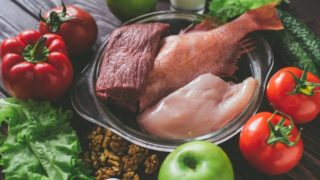
Foods for Healing Wounds

When you have an accident, there are many things you instinctively worry about and need to get organised. From checking your insurance policy, searching which hospital is the best and checking if the treatment and medicines provided by the doctors are appropriate. Sometimes, if you feel there has been a case of negligence, you may also look for consultancy on medical negligence claims. But the one thing that you should not overlook, whether it’s a big accident or a small injury, consuming the correct and healthy food groups can aid in the swift healing of wounds.

Read more: Foods for Healing Wounds

It is okay to ignore what you are told

Diets are among the most discussed entities on the internet. By “discussed” I of course mean “argued about”, because alongside the science comes conjecture and deeply entrenched misinformation. Maybe it’s because diets are a lucrative market (diet books fly off shelves and they’re a good way for a doctor or nutritionist to make a name for themselves) or maybe it’s because every human on the planet has to eat, but diets and discussion of diets are very much in fashion and probably always will be.

Read more: It is okay to ignore what you are told

Jaggery Manufacturing

Jaggery is manufactured using two different processes. One is a manual process and the other is through automated plants. Most of the jaggery manufacturing happens through the manual process.

Read more: Jaggery Manufacturing

Little Known Cooking Methods to Cut Down High Cholesterol Levels

To lower the cholesterol and fat in what you eat, follow the following tips when you are cooking.

A good number of your preferred recipes can be made healthier simply by substituting lower-fat ingredients. Go through the list of ingredients on your recipe. Then look at the table below to check out if any of the ingredients are listed in the left column. In that case, you can make the recipe a healthier one using the ingredient in the right column instead.

Read more: Little Known Cooking Methods to Cut Down High Cholesterol Levels

Nutritional Value of Alfalfa and Groundnut

Alfalfa is the seed of a legume plant. The sprouted seed are eaten by sprinkling on sandwiches and salads and makes healthy diet.

Alfalfa

Nutrition facts: Alfalfa is rich in potassium and phosphorus. It has good amount of calcium and magnesium and small amount of iron, sodium, zinc, copper, manganese and selenium.

Read more: Nutritional Value of Alfalfa and Groundnut

Nutritional Value of Almond and Walnuts

Almond and almond oil is used extensively in ancient medical techniques like Ayurveda and Unani medicines. Despite being a seed, it boasts of being counted in the premium health food category consisting whole foods such as other nuts. Presence of high amounts nutrients produces energy.

Read more: Nutritional Value of Almond and Walnuts

Nutritional Value of Apricot and Watermelon

Apricots: Apricots can be related to the Peach family, and usually they are found first at the arrival of summers. This fleshy fruit with less juice is a rich source of beta-carotene and lycopene. Apricots have a velvet like skin, it's kernels resemble and tastes like Almonds and are used well as their substitute.

Read more: Nutritional Value of Apricot and Watermelon

Nutritional Value of Avocado and Apple

Avocado and apple are fruits which have good nutritional value and also have various health benefits.

Avocado is also known as Alligator Pear or Butter Fruit.

Read more: Nutritional Value of Avocado and Apple

Nutritional Value of Banana and Kiwi

Nutrition facts about banana: Banana is rich in potassium. It also contains other minerals such as calcium, iron, magnesium and phosphorus in large quantities. It is also rich in fibers making it a useful laxative and good for easing constipation.

Read more: Nutritional Value of Banana and Kiwi

Nutritional Value of Beef and Pork

Nutritional value of beef:The use of lean and clean beef is advisable to include in diet, it could be as an ingredient in stews or traditional recipes. Beef is a popular meat rich in protein, being a red meat had always made it a bad food when it comes to studies and researches.

However, it has also been established that a lean beef adds to health benefits related to heart and prevention of cancer. As a matter of fact, no one can deny that beef is an important source of protein.

Read more: Nutritional Value of Beef and Pork

Nutritional Value of Beet and Radish

Nutritional value of beetBeet has always been a vital source of energy enriched with nutrients and fiber. It is biennial and available almost throughout the year. Be it the modified root itself or Chard like edible green leaves both are incredibly contributing to a healthy metabolism. While Beta vulgaris is widely being relished in the form of salad with spicy and lemon like flavor and pickles, the edible green leaves too are loaded with rich vitamin and mineral content. It's subspecies are sources for highly nutritious garden beet juice, sugar production and animal fodder.

Read more: Nutritional Value of Beet and Radish

Nutritional Value of Blueberry and Olive Fruit

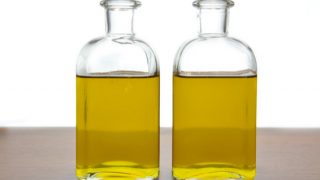
Olive Oil

Nutritional value of blueberryBlueberries are deep in color, ranging from blue, maroon and purple. There are around 30 different species of blueberries. Blueberries are sold fresh, dried or are used in a variety of sauces, juice, jellies and jams.

Read more: Nutritional Value of Blueberry and Olive Fruit

Nutritional Value of Broccoli and Lettuce

Nutritional value of broccoliBroccoli is a vegetable of cabbage family which is either green or purple on color. It has a tree like structure and is similar to cauliflower.

Read more: Nutritional Value of Broccoli and Lettuce

Nutritional Value of Buffalo Milk and Cow Milk

Nutritional value of buffalo’s milk: Buffalo’s Milk is white non-transparent liquid produced by mammary animal, buffalo. It is healthy and nutritious daily drink and can be consumed by people of all the ages. It is rich in a variety of minerals and vitamins and therefore has nutritional value.

Read more: Nutritional Value of Buffalo Milk and Cow Milk

Nutritional Value of Butter and Cheese

Nutritional value of butter: Butter is a creamy dairy product made by churning of curd made from milk cream. It is also used as a condiment and in baking, sauce making, and frying. Butter has fats, vitamins and minerals.

Nutrition facts of butter: Butter is extremely rich in minerals like calcium, phosphorus and potassium. It has good amount of sodium and small amounts of fluoride, selenium, zinc and magnesium.

Read more: Nutritional Value of Butter and Cheese

Nutritional Value of Cabbage and Iceberg Lettuce

Nutritional value of cabbageCabbage is a leafy vegetable, which is eaten raw as salads and used in many other recipes. The high nutrient content and numerous medicinal properties of cabbage make it popular throughout the world.

Read more: Nutritional Value of Cabbage and Iceberg Lettuce

Nutritional Value of Cardamom and Clove

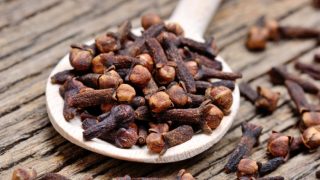
Nutritional value of cardamom: Cardamom is blackish brown or green color seedpod used in various food items depending upon its color, flavor and aromatic fragrance. It is used to make medicinal drinks and powders.

Read more: Nutritional Value of Cardamom and Clove

Nutritional Value of Cashew and Chestnut

Nutritional Value of Cashew: Cashew, a kidney shaped seed, is a vital ingredient to include in your diet plan. It works as a health booster and is a good source of mono-saturated fats and protein. It has originated from Brazil and is now being cultivated in many other countries.

Read more: Nutritional Value of Cashew and Chestnut

Nutritional Value of Cauliflower and Turnip Root

Nutritional value of cauliflower: Cauliflower is very nutritious vegetable. It grows in various colors ranging from white, green, purple, orange but white cauliflower is commonly used.

Read more: Nutritional Value of Cauliflower and Turnip Root

Nutritional Value of Cherry and Strawberry

Nutritional value of cherry: Cherry is a bright red colored fruit, which can be eaten fresh. These fruits are found in yellow color as well. Cherries are eaten raw and are also used for flavoring foods and preparation of wine.

Read more: Nutritional Value of Cherry and Strawberry

Nutritional Value of Chickpeas and Black Gram

Nutritional value of chickpeas (garbanzo beans, Bengal gram): Chickpeas are the brown colored beans of a legume plant. These are green when raw and turn brown when dried. These are nutritious and rich in protein that makes the diet healthy.

Read more: Nutritional Value of Chickpeas and Black Gram

Nutritional Value of Cinnamon and Nutmeg

Nutritional value of cinnamon: Cinnamon is the dried light brown colored bark of a tree. It has strong aromatic fragrance and sweet taste. It is used both as a medicine and as a spice since it is warm in nature.

Read more: Nutritional Value of Cinnamon and Nutmeg

Nutritional Value of Corn and Rice

Nutritional value of corn: Corn or maize is one of the most popular cereals in the world. Corn forms the staple food of numerous people in different countries including, US, India, etc.

Read more: Nutritional Value of Corn and Rice

Nutritional Value of Cowpea and Pigeon Pea

Nutritional value of cowpea (black-eyed peas): Cowpea or back-eyed pea is a pale colored legume with a firm black colored eye shaped spot on it. It is commonly cooked to prepare food.

Read more: Nutritional Value of Cowpea and Pigeon Pea

Nutritional Value of Cumin Seed and Fenugreek Seed

Nutritional value of cumin seed: Cumin is small greyish brown seed of a plant of coriander family. It is spicy in taste and is used commonly for adding flavor to the food.

Read more: Nutritional Value of Cumin Seed and Fenugreek Seed

Nutritional Value of Egg and Egg White

Nutritional facts of eggs: An egg is amongst the most nutritious food items. It is rich in minerals, proteins, and vitamins, all of which are easily absorbed by the body. Eggs are a good source of essential minerals such as calcium, iron, phosphorus, zinc and iodine. When it comes to calories, a medium sized egg has about 75-76 kcal. The most commonly eaten eggs are that of chicken.

Read more: Nutritional Value of Egg and Egg White

Nutritional Value of Flax Seed Oil and Sunflower Seed Oil

Nutritional value of flax seed oil: Flax seed is nutritious seed packed with all vital vitamins and minerals. It is abundant in omega 3 fatty acids. The seeds have high levels of fiber, which are useful for weight loss. Flax seed oil obtained from the seeds also contains large amounts of omega 3 and hence has numerous health benefits.

Read more: Nutritional Value of Flax Seed Oil and Sunflower Seed Oil

Nutritional Value of Goat Milk and Sheep Milk

Nutritional value of goat’s milk: Goat’s milk is the milk of domestic goat. It is rich in fat and minerals and is processed to make goat’s butter, cheese, ice cream and other dairy products.

Read more: Nutritional Value of Goat Milk and Sheep Milk

Nutritional Value of Grapes and Raspberries

Nutritional value of grapes: Grapes are small oval green or black colored juicy fruits of a tree. They are sweet and sour in taste.

Read more: Nutritional Value of Grapes and Raspberries

Nutritional Value of Lemon and Pear

Nutritional value of lemonLemons are small yellow fruits with acidic nature. Lemon juice is used throughout the world in various cuisines to add flavor and taste to foods.

Read more: Nutritional Value of Lemon and Pear

Nutritional Value of Lobsters and Crabs

Nutritional value of lobster: Lobster a is seafood eaten fresh worldwide. They are cooked when still alive and are also served fried, grilled or baked.

Read more: Nutritional Value of Lobsters and Crabs

Nutritional Value of Navy Beans and Lima Beans

Nutritional value of navy beans (French beans): Navy beans are small, dense, smooth and white colored beans. These belong to the family of legumes and are used for food like other common beans.

Read more: Nutritional Value of Navy Beans and Lima Beans

Nutritional Value of Orange and Mango

Nutrition facts about orange: Orange is a good source of minerals such as calcium, iron, sodium, copper, phosphorus, potassium, magnesium, and sulphur. It also contains traces of chlorine.

Read more: Nutritional Value of Orange and Mango

Nutritional Value of Peanut and Peanut Butter

Nutritional value of peanut: Peanut is a legume used throughout the world for a variety of purposes including production of oil, butter, chocolates, cookies, etc. Peanuts are also eaten raw, roasted or added in various delicacies.

Read more: Nutritional Value of Peanut and Peanut Butter

Nutritional Value of Peppermint and Caraway

Nutritional value of peppermint: Peppermint is a hybrid plant used commonly for adding aroma and flavor to food. It is also used for medicinal purposes. It is created from the blending of water mint and spearmint.

Read more: Nutritional Value of Peppermint and Caraway

Nutritional Value of Pineapple and Grapefruit

Nutritional value of pineapple: Pineapple is a juicy sweet fruit, which is delicious, healthy and nutritious and can be eaten raw or used in cooking. The fruit is rich in a variety of minerals and vitamins and therefore has numerous health benefits.

Read more: Nutritional Value of Pineapple and Grapefruit

Nutritional Value of Plum and Pomegranate

Nutritional value of plum: Plum is one of those fruits which are rich in dietary fiber, effecting in a healthy digestive system. It is being cultivated over the world for jam manufacturing, its dried version 'prune', oil from prune kernels, drinks, pickles, and a popular alcoholic drink Slivovitz originated from Eastern Europe. Plums are often related to Apricots by researchers for the resemblance they noticed.

Read more: Nutritional Value of Plum and Pomegranate

Nutritional Value of Rosemary and Thyme

Nutritional value of dried rosemary: Rosemary is a herb used for cooking, perfumes and medicinal uses. It is commonly used for fragrance and taste as it belongs to the mint family. Dried rosemary is used a spice.

Read more: Nutritional Value of Rosemary and Thyme

Nutritional Value of Shrimp and Chicken

Nutritional value of shrimp: Shrimp is among the most coveted seafood in countries like United States, only next to Tuna in popularity. It is an excellent source of protein like tryptophan and a nutrient called selenium.

Read more: Nutritional Value of Shrimp and Chicken

Nutritional Value of Sorghum and Rye

Nutritional value of sorghum (jowar): Sorghum is the nutritious cereal which makes healthy diet. It is the grain which is generally red or pale yellow in color. It is cooked as porridge for breakfast or along with other dishes.

Read more: Nutritional Value of Sorghum and Rye

Nutritional Value of Spinach and Tomato

Nutritional value of spinach: Spinach is a green leafy vegetable with abundant vitamins. It offers many health benefits with its rich nutrients like iron and fiber. It is a recommended food in a variety of forms, the most popular being spinach soup and as salad.

Read more: Nutritional Value of Spinach and Tomato

Nutritional Value of Tomato and Carrot

Nutrition facts about tomatoTomato is a good source of calcium and iron. It also contains some amounts of phosphorus, sulfur and potassium.

Read more: Nutritional Value of Tomato and Carrot

Nutritional Value of Tulsi and Ginger

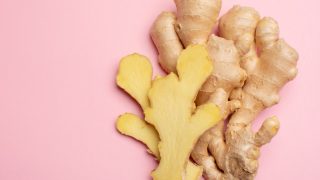
Nutritional value of tulsi (basil or holy Basil): Tulsi (basil or holy basil) is a green or light purple colored herb grown in tropical climates. Tulsi is mostly used as seasoning on food and is used in herbal medicines. It is rich in vitamins and minerals.

Read more: Nutritional Value of Tulsi and Ginger

Nutritional Value of Turmeric and Black Pepper

Nutritional value of turmeric: Turmeric is yellow colored root of a plant of ginger family. Turmeric powder is commonly used in cooking. It is also used as coloring agent is many dishes. Turmeric is used as home remedy and in many herbal medicines as it is medicinal.

Read more: Nutritional Value of Turmeric and Black Pepper

Nutritional Value of Vodka and Beer

Nutritional value of vodka: Vodka is one of the most popular alcoholic beverages. It is made by fermentation of wheat mash, corn mash, potato mash or rye mash.

Read more: Nutritional Value of Vodka and Beer

Nutritional Value of Wheat and Barley

Nutritional value of wheat (whole grain): Wheat grains are used to make flour, which is transformed into dough and then breads, which is a staple food in every country and culture. Eating whole grains are advisable to women for staying slim and healthy. It is rich in protein and provides daily requirement of energy. Works as a good laxative. It has wide culinary uses, from the making of breads, pasta and cakes to fermentation of alcoholic beverages.

Read more: Nutritional Value of Wheat and Barley

Nutritional Value of Wheatgrass and Spirulina

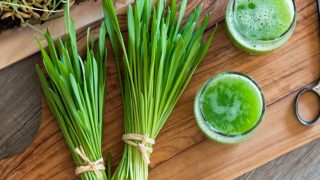
Nutritional value of wheatgrass: Wheatgrass is the young grass of the wheat plant. It is used as health food and commonly consumed in the form of juice and powder. Wheatgrass contains 98 out of 102 earth elements.

Read more: Nutritional Value of Wheatgrass and Spirulina

Strange Uses of Jaggery

I can bet that you knew only about the edible uses of jaggery or, perhaps a step more, some of its medicinal uses. Now, I am going to tell you some strange uses of jaggery which may not be easy to digest.

Just hold your breath and sit tight.

Read more: Strange Uses of Jaggery

The Importance Of Food Hygiene – What To Consider When Making Food

Proper hygiene is important in food preparation. Without washing hands and kitchen tools, disease may easily spread out. In some places though, this crucial matter is not always known and is taken lightly. Since cross contamination is a major cause of food poisoning and can transfer bacteria from one food to other foods, it is crucial to be aware of how it spreads so you will know how to prevent it.

Read more: The Importance Of Food Hygiene – What To Consider When Making Food

What are Superfoods

The term 'superfood' is used to refer to any food with a high density of beneficial nutrients, proven health benefits, and no or relatively few adverse properties. With the amount of research going on, it can seem as if a new superfood is announced every week! Here are just a few of the most widely agreed upon, and the reasons why – so next time you eat one you'll at least know why it's so good for you.

Read more: What are Superfoods

What is Jaggery

What is jaggery? Scientifically or technically defining, jaggery is an amorphous form of unrefined and non-distilled sugar prepared from sap or juice of plants which contain considerable amount of sucrose or sugar in them, like sugar cane and palms like date palm and Palmyra. Sometimes it is also called Country Sugar as it is prepared in households in rural areas of certain countries. It is also called molasses due to its semi-solid state. Chemically, it is C12H22O12.

Jaggery is not much known in the Western Countries since it is not prepared there. Jaggery is predominantly made in India, Pakistan, Bangladesh, Sri Lanka and Myanmar. Besides being very good to taste, it has many health benefits. Let us know more about this colourful and tasty food.

Read more: What is Jaggery

Copyright © 2013 Organic Information Services Pvt Ltd. Information on this website is for education purpose only. Consult a medical practitioner for health problems