Palo Azul tea is a popular South American beverage, but its unique nutritional profile and health benefits have caused it to rise in popularity in recent years in other parts of the world as well.
What is Palo Azul Tea?
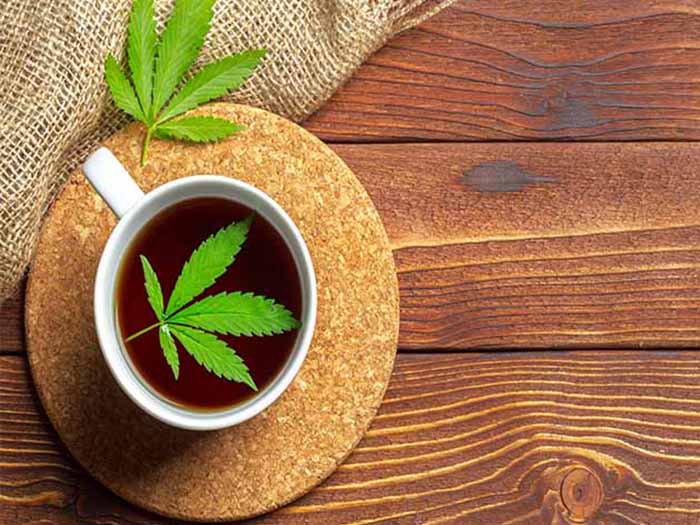
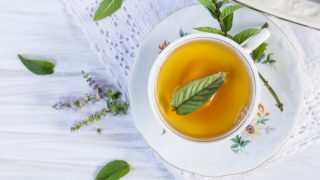
Palo Azul tea is an herbal diuretic tea brewed with the bark of the Palo Azul plant, scientifically known as Eysenhardtia polystachya. Also known as kidneywood, this herb has been used in traditional medicine for thousands of years, and the bark is known to contain some very unique nutrients. When you purchase Palo Azul, it typically comes in the form of wood chips of the bark, which you can then steep in the water to release the flavonoids, sterols, and phenolic compounds contained in this powerful plant. These active ingredients can have a range of effects in the body, but this tea is particularly well known for its hepatoprotective effects, meaning it protects the liver so it can properly detoxify the body. In recent years, it has become very popular for those who need to pass drug tests, likely due to its diuretic effects flushing out metabolites from certain recreational drugs, such as marijuana. [1] [2] [3] [4] [5]
Palo Azul Tea Benefits

Palo santo is used in ritual smudging as it helps clear negative energy. Photo Credit: Shutterstock
The possible primary benefits of Palo Azul tea include the following:
- Protecting kidney health
- Reducing inflammation
- Weight loss
- Treating digestive upset
- Preventing chronic diseases
- Improving mental health
Let’s look at the benefits in detail below:
Might Help In Kidney Health
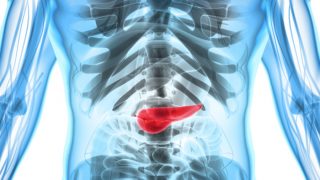
The primary use of Palo Azul tea throughout history has been to strengthen and protect the body’s natural detoxification systems. Results from a study published in Pharmacognosy Magazine indicate that this tea might prevent oxidative stress, suppressing kidney and pancreas cell damage. This tea may also lower your risk of kidney stones, promote healthy urination and the rapid expulsion of toxins metabolites from the body. [6] [7] [8]
May Reduce Inflammation and Arthritic Pain
The active components of this tea are known to possibly minimize the pain and discomfort of arthritis, as well as other inflammatory conditions, such as gout. Another study published in the African Journal of Pharmacy and Pharmacology showed that Palo Azul tea may even be effective in treating both chronic and acute inflammation, and effectively reduced edema (swelling) in inflamed areas. [9] [10]
Can Help Treating Digestive Upset
The incredible calming anti-inflammatory properties of Palo Azul tea extend to the digestive system as well. A 2018 study published in the Journal of Ethnopharmacology indicates that this tea is an effective anti-diarrheal agent; just as effective as standard drugs. [11]
May Help In Weight Loss
A study published in Pharmacognosy Magazine showed promising effects on body weight in animal models. Mice receiving Eysenhardtia polysachya showed a significant reduction in not only body weight, but also blood glucose, triglycerides, and cholesterol. The mechanism for this weight loss effect is not well understood, though it may be partially due to the plant’s diuretic effects. Further studies are needed to better explore the use of this tea as a potential weight loss aid. [12]
Can Aid In Preventing Chronic Disease
Oxidative stress is associated with many chronic diseases like diabetes. Compounds within the tea show high antioxidant and free radical scavenging activity, which may potentially help protect against these conditions. Palo Azul tea may also be especially an effective and protective agent for diabetes. The tea inhibits high blood sugar, high cholesterol and protects the liver, all of which is important in helping to prevent various complications of diabetes. [13]
How to Make Palo Azul Tea?
You can make Palo Azul tea at home quite simply if you can find the Palo Azul wood chips at an import store or specialist grocer. Let’s take a look at the simple instructions given below to make Palo Azul tea at home.

An Easy Recipe to Make Palo Azul Tea
Ingredients
- 1 ounce of Palo Azul Bark
- 6 cups of water
Instructions
- To make Palo Azul tea, bring 6 cups of water to boil in a large pot.
- Add 1 ounce of Palo Azul wood chips to the water.
- Cover the pot and allow the wood chips to boil for an hour.
- Remove from heat and remove the bark, which should be floating on top.
- You can drink this resultant tea either warm or cold. If you wish to drink it cold, refrigerate it for a few hours.

Notes
Palo Azul Tea Side Effects
Palo azul is a biologically active herb and it is worth understanding the various side effects and precautions associated with the herb. Some people do experience gastrointestinal distress, dehydration, electrolyte imbalance, worsening of kidney and liver pre-existing conditions, and this tea is not recommended for pregnant or nursing women.
Gastrointestinal upset: The most commonly reported side effect is digestive discomfort, including nausea, bloating, and loose stools or diarrhoea, particularly when drinking the tea for the first time or in large quantities. This is largely a consequence of its strong diuretic and astringent properties. If you experience stomach upset, reducing the amount brewed or diluting the tea with additional water usually resolves the issue. However, consulting a medical practioner immediately is the best solution.
Dehydration and electrolyte imbalance: Because palo azul significantly increases urine output, excessive or prolonged consumption without adequate fluid intake can lead to dehydration. Due to its diuretic nature, this tea may cause an imbalance in electrolytes if consumed excessively over long periods.
Pre-existing kidney or liver conditions: While palo azul is traditionally used to support kidney health in people without pre-existing disease, the situation is different for those with diagnosed kidney or liver conditions. The diuretic effect could place additional strain on the kidneys, potentially worsening the condition. Anyone with chronic kidney disease (CKD), kidney failure, or liver disease should consult a physician before consuming this tea.
Pregnancy and breastfeeding: There is limited research on the safety of palo azul during pregnancy and breastfeeding. As a precaution, pregnant and nursing women should avoid its use or consult a doctor before consuming it. The tea’s strong diuretic effect can disrupt the fluid balance essential during pregnancy. Until robust human safety data exists, avoidance is the prudent choice during pregnancy and lactation.
Children: Palo azul tea is not recommended for children under 12. Their kidneys are still developing, and the diuretic effects of the tea carry a higher risk of dehydration in younger bodies. Teenagers over 12 may use it only in small amounts and with a paediatrician’s guidance.
Legume family allergy: Palo azul (Eysenhardtia polystachya) belongs to the Fabaceae (legume) family. Individuals with known allergies to legumes such as peanuts, soy, or lentils should exercise caution, as there is a theoretical risk of cross-reactivity. Allergic reactions to palo azul are rare but can include skin rash, itching, or respiratory symptoms. Discontinue use and seek medical advice immediately if any allergic response occurs.
Important: Palo azul has not been evaluated or approved by the US FDA for the diagnosis, treatment, cure, or prevention of any disease. It is available in the US as an herbal tea or dietary supplement. Consult a qualified healthcare practitioner before using palo azul, especially if you have a medical condition or are taking medications.