The major benefits of dietary fiber are mainly associated with the human digestive tract. However, its health benefits also include relief from high cholesterol, heart problems, diabetes, obesity, and toxicity, hemorrhoids, and skin conditions. Fiber plays a very important role in digestion and helps prevent constipation, diarrhea, diverticulosis and irritable bowel syndrome. It makes the food bulkier and further aids in glucose absorption so that sugar enters the blood cells at a slow and even pace, maintaining normal blood sugar levels. It also produces vital organic acids that help nurture the lining of the colon.
What is Dietary Fiber?
Dietary fiber, also known as bulk or roughage, is the part of the plant that cannot be digested or absorbed by the body. It is a form of carbohydrates that cannot be broken into smaller nutrients. It passes through the human digestive tract without undergoing any significant changes. Fibrous substances slow down the eating process and prevent us from overindulging in food. According to the Harvard School of Public Health, it is one of the most nutritious ingredients of the human diet. [1]
Fiber is only found in plant-based foods like fruits, legumes, leafy vegetables, and oatmeal. It is important to include different types of fibrous foods in the diet to gain maximum health benefits.
Types Of Fiber & Important Sources
Fiber is usually classified into two categories, namely:
Insoluble fiber: This is made of plant cells which are indissoluble in water and can be used as a laxative. This type of fiber is found in the seeds and skins of fruit (so always eat your peels) as well as whole-wheat bread and brown rice.
Soluble fiber: This is made of carbohydrates which are soluble in water and helps control cholesterol and blood sugar levels in the body. Foods rich in this type of fiber include oatmeal, nuts, beans, apples, and blueberries.
Some of the richest fiber sources include foods like
- Vegetables – broccoli, peas, spinach, and artichokes
- Fruits – blackberries, raspberries, pears, prunes, and avocados
- Grains – whole wheat, barley, oatmeal, and bran flakes
- Nuts – almonds, Brazil nut, pistachios, peanuts and walnut
- Beans – lentils, black beans, lima beans, and kidney beans
Health Benefits of Fiber
Fiber aids in preventing and healing many illnesses. Some of the key health benefits include:
Prevents Constipation
Its most important use is in digesting food. Fibrous substances add considerable bulk to your stool. It helps your stool become big and soft, thus making it easier to pass through the intestinal tract. Eating fiber-rich foods can help prevent and reduce constipation, thereby helping to avoid many other serious health conditions that can often develop as a result of this uncomfortable situation.
Diarrhea
Dietary fiber treats moderate diarrhea by normalizing the intestinal juices and by aiding better mucus secretion in the small intestine. It soaks the excess water from the digestive tract making the bowel firm and its movement slow. Therefore, add soluble roughage to your diet when suffering from diarrhea. [2]
IBS
Studies have shown that adding cluster bean or guar and bran to the diet of patients suffering from IBS helps regulate stool frequency and gives relief from its symptoms. The latter is more preferred by the test subjects as it showed faster effects. [3]
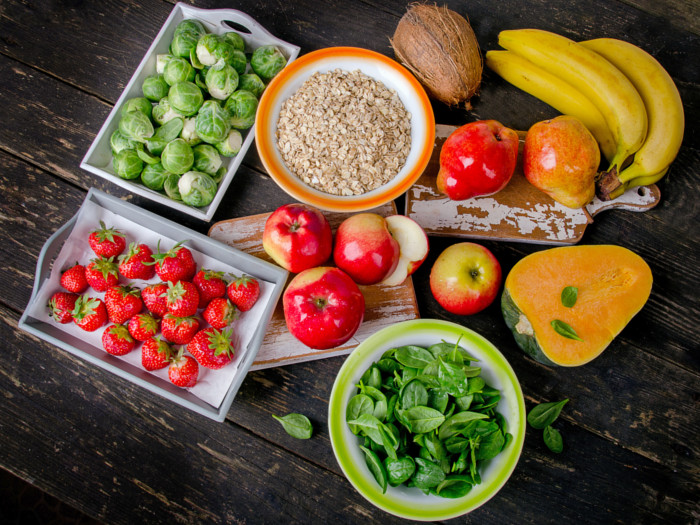
Good sources of fiber include barley, oatmeal, beans, nuts, and fruits such as apples. Photo Credit: Shutterstock
Controls Cholesterol
Consumption of flaxseed has been shown to reduce the plasma and LDL (bad) cholesterol levels in the body and increase fat excretion. They also play a role in maintaining energy balance. [4]
Controls Diabetes
Normalized blood sugar levels are essential for reducing the risk of diabetes. Diabetics experience subsequent reductions in their glucose levels due to the intake of fibrous foods. [5]
Diverticulosis
Fiber speeds up the passing of food through the intestinal tract, thus preventing constipation or diverticulosis disorders. Toxic waste materials are also easily flushed out of the system through soft and easy stools.
Reduces Hemorrhoids
Addition of dietary fiber has shown to improve internal bleeding and hemorrhoids. Although it may take longer to cure. This could be an alternative to patients who do not prefer invasive treatment. [6]
Aids in Weight Loss
Highly fibrous foods are bulkier than other food items. Taken under a dietary expert’s guidance, fibrous foods give the feeling of a full stomach and curb the urge to eat more. This helps people who would like to reduce their weight and control their eating habits without becoming hungry!
Aids Heart Health
Foods that contain soluble fiber, such as barley, beans, and lentils have a good effect on cholesterol levels and normal functioning of the heart. Citrus fruits also have similar effects on the human system.
Anticancer Properties
Medical experts suggest that the intake of fibrous food helps in protecting against colon cancer, breast cancer, and ovarian cancer. Significant research is still ongoing to confirm these findings. [7]
Enhances Bones Health
It also helps in enhancing the bone mineral density in children and adolescent. To ensure healthy bones, make sure you add soluble fiber to your diet. [8]
Skin Care
The excretion of fungus and yeast through skin pores may cause acne. Adding fiber to your diet, especially, psyllium husk that is a type of plant seed ensures their excretion through fecal matter. Thus, aiding in skin care. [9]
Recommended Daily Intake
The amount of fiber is dependent on age and total daily calorie intake, according to the 2015-2020 edition of the US Dietary Guidelines. Men need 28 to 34 grams per day and women need 22 to 28 grams per day if they are between 18 and 50 years old. Another general guideline given is 14 grams of roughage for every 1000 calories in your diet. [10]
Therefore, make sure you have high-fiber foods that will help you maintain good health. Here are some suggestions for increasing its intake, [11]
- Eat at least five servings of fruits and vegetables daily
- Substitute refined grains with whole grains
- Eat oatmeal, whole-grain cereal, or bran cereal for breakfast
- Eat beans, split peas, or lentils at least once weekly
- Substitute nuts or popcorn for less healthful snacks like potato chips or candy
Word of Caution: Too much roughage can cause nutritional deficiency as it can inhibit the absorption of minerals such as iron and antioxidants like beta-carotene. Don’t jump on a high-fiber diet. Instead, ask your doctor about how to incorporate high amounts in your diet and remember to hydrate yourself as fiber and fluids go hand in hand for effective digestion. [12]