The health benefits of cauliflower may include a reduced risk of heart and brain disorders, relief from indigestion, supporting liver health, increased iron absorption, and weight loss. This superfood may also help boost eye health, maintain hormonal balance, and can prevent diabetes, colitis, respiratory papillomatosis, hypertension, and the harmful effects of ultraviolet radiation. It’s known to be packed with nutrients and antioxidant power which can help in strengthening the immune system, maintaining bone and cellular health, electrolyte balance, and optimum cholesterol levels.
What is Cauliflower?
Cauliflower is a cruciferous vegetable that belongs to the Brassicaceae family, which includes broccoli, kale, and cabbage. It derives its name from the Latin word ‘caulis‘ which means cabbage with a flower. The florets on the head of the cauliflower, also known as curd, are tightly clustered and consist of immature flower buds attached to a central stalk. To protect the flavor and softness of the cauliflower heads, they are kept away from sunlight to prevent the development of chlorophyll pigment and over-maturity. [1]
It is considered to be ancient Asia but it re-emerged in the Mediterranean region, Turkey, and Italy in 600 BC. Around the mid-16th century, this vegetable achieved recognition in France and Northern Europe. Today, India, China, Italy, France, and the United States are among the top producers of cauliflower throughout the world.
Watch Video: 7 Health Benefits Of Cauliflower

Cauliflower Nutrition Facts
| Serving Size : | |
|---|---|
| Nutrient | Value |
| Water [g] | 92.07 |
| Energy | 25 |
| Energy [kJ] | 104 |
| Protein [g] | 1.92 |
| Total lipid (fat) [g] | 0.28 |
| Ash [g] | 0.76 |
| Carbohydrate, by difference [g] | 4.97 |
| Fiber, total dietary [g] | 2 |
| Sugars, total including NLEA [g] | 1.91 |
| Glucose (dextrose) [g] | 0.94 |
| Fructose [g] | 0.97 |
| Calcium, Ca [mg] | 22 |
| Iron, Fe [mg] | 0.42 |
| Magnesium, Mg [mg] | 15 |
| Phosphorus, P [mg] | 44 |
| Potassium, K [mg] | 299 |
| Sodium, Na [mg] | 30 |
| Zinc, Zn [mg] | 0.27 |
| Copper, Cu [mg] | 0.04 |
| Manganese, Mn [mg] | 0.16 |
| Selenium, Se [µg] | 0.6 |
| Fluoride, F [µg] | 1 |
| Vitamin C, total ascorbic acid [mg] | 48.2 |
| Thiamin [mg] | 0.05 |
| Riboflavin [mg] | 0.06 |
| Niacin [mg] | 0.51 |
| Pantothenic acid [mg] | 0.67 |
| Vitamin B-6 [mg] | 0.18 |
| Folate, total [µg] | 57 |
| Folate, food [µg] | 57 |
| Folate, DFE [µg] | 57 |
| Choline, total [mg] | 44.3 |
| Lutein + zeaxanthin [µg] | 1 |
| Vitamin E (alpha-tocopherol) [mg] | 0.08 |
| Tocopherol, gamma [mg] | 0.2 |
| Vitamin K (phylloquinone) [µg] | 15.5 |
| Fatty acids, total saturated [g] | 0.13 |
| 10:0 [g] | 0.02 |
| 15:0 [g] | 0 |
| 16:0 [g] | 0.09 |
| 17:0 [g] | 0 |
| 18:0 [g] | 0.01 |
| 20:0 [g] | 0 |
| 22:0 [g] | 0 |
| 24:0 [g] | 0 |
| Fatty acids, total monounsaturated [g] | 0.03 |
| 14:1 [g] | 0 |
| 16:1 [g] | 0 |
| 16:1 c [g] | 0 |
| 18:1 [g] | 0.03 |
| 18:1 c [g] | 0.03 |
| 24:1 c [g] | 0 |
| Fatty acids, total polyunsaturated [g] | 0.03 |
| 18:2 [g] | 0.02 |
| 18:2 n-6 c,c [g] | 0.01 |
| 18:2 CLAs [g] | 0 |
| 18:3 [g] | 0.02 |
| 18:3 n-3 c,c,c (ALA) [g] | 0.02 |
| Phytosterols [mg] | 18 |
| Tryptophan [g] | 0.02 |
| Threonine [g] | 0.08 |
| Isoleucine [g] | 0.07 |
| Leucine [g] | 0.11 |
| Lysine [g] | 0.22 |
| Methionine [g] | 0.02 |
| Cystine [g] | 0.02 |
| Phenylalanine [g] | 0.07 |
| Tyrosine [g] | 0.05 |
| Valine [g] | 0.13 |
| Arginine [g] | 0.09 |
| Histidine [g] | 0.06 |
| Alanine [g] | 0.12 |
| Aspartic acid [g] | 0.18 |
| Glutamic acid [g] | 0.26 |
| Glycine [g] | 0.07 |
| Proline [g] | 0.07 |
| Serine [g] | 0.09 |
| Sources include : USDA [3] | |
Carbs and Calories in Cauliflower
The carbs and calories in cauliflower are mentioned below.
- 100 g of raw cauliflower contains 5 g carbohydrates and 25 calories
- 100 g of boiled cauliflower contains 4.1 g of carbohydrates and 23 calories
- 100 g of cauliflower greens contain 6 g of carbohydrates and 31 calories
Types of Cauliflower
Cauliflower is available in four major groups: Asian, Italian, northwest European biennial, and northern European annuals, represented by more than a hundred varieties. Apart from white, it also comes in several other colors mentioned below.
- Green: Green cauliflower is referred to as broccoflower. It can be found in a normal curd-shaped form as well as in a spiky variant called Romanesco broccoli.
- Purple: The antioxidant group, anthocyanins, present in the purple cauliflower provides the color of this variety.
- Orange: Orange cauliflower is known to be highly nutritious and may contain an immense amount of vitamin A, as compared to the white variety.
Health Benefits of Cauliflower
Let us look at some of the important health benefits of cauliflower in detail:
May Prevent Oxidative Stress
Cauliflower contains vitamin C, manganese, vitamin E, and other potent antioxidants that help in imparting nourishment to the body. It also contains phytochemicals, called indoles and glucosinates, namely glucobrassicin, glucoraphanin, and gluconasturtiin. These components may stimulate helpful enzymes that protect the body cells from oxidative stress and damage caused by free radicals.
Might Improve Cardiovascular Health
Regular consumption of cauliflower can help with blood circulation and might help maintain the proper functioning of the blood vessels, which can be attributed to the presence of glucoraphanin. Glucoraphanin is converted into isothiocyanates that activate anti-inflammatory activities and can thus prevent the accumulation of lipids in the blood vessels. This can aid in the unobstructed flow of blood, which may reduce the risk of conditions like atherosclerosis and promotes cardiovascular health. Research has also proved that the antithrombotic and antiplatelet function of Indole-3-carbinol, found in abundance in cauliflower, contributes significantly towards a healthy heart.
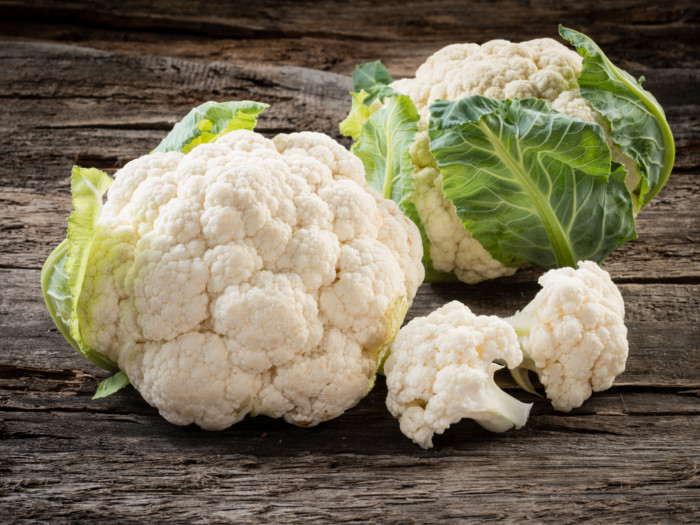
Organic raw cauliflowers Photo Credit: Shutterstock
Might Help Prevent Stomach Disorders
Cauliflower is a source of dietary fiber that can aid in digestion and promotes the elimination of toxins from the body. The presence of glucosinolate, glucoraphanin and sulforaphane in this vegetable can help protect the stomach lining and helps in resisting the growth of Heliobacter pylori bacteria. In addition to this defense mechanism, dietary isothiocyanates in cauliflower can reduce the risk of various abdominal disorders which may include stomach ulcers and other gastric diseases.
May Help Improve Iron Absorption
Vitamin C present in cauliflower helps to better absorb iron in the blood. This can help to increase the production of hemoglobin in the body.
May Slow Down the Progression of Respiratory Problems
Respiratory papillomatosis can be caused by the human papillomavirus that affects the vocal cords in the larynx, trachea, lungs, and bronchi. Studies conducted at the University of Pittsburgh Medical Center have shown that increased consumption of cruciferous vegetables, such as cauliflower, aids in reducing the severity of respiratory papillomatosis.
Can Improve Bone Health
Cauliflower contains vitamin C, which can play an important role in the production of collagen that protects the joints and bones from inflammatory damage and can even help in the treatment of rheumatoid arthritis. Furthermore, an association has been identified between increased levels of vitamin C and greater bone density. Also, it may contain a fairly good amount of vitamin K, which “attract[s] calcium to the bone.” This may help in preventing bone loss in both men and women.
May Slow Down Macular Degeneration
It is possibly rich in vitamin C and antioxidants and thus, may slow the progression of age-related macular degeneration, which can lead to blindness, particularly in the elderly. The sulforaphane may protect the retinal tissues from damage caused by oxidative stress by acting as a free radical scavenger and preventing cell death, which can help prevent vision impairment.
Can Help Detoxify the Body
Cauliflower contains indole-3-carbinol, a phytonutrient that, along with sulforaphane, can help in activating and regulating the function of detoxifying enzymes responsible for metabolizing and eliminating harmful compounds from the body.
May Aid in Skin Care
Studies have shown that sulforaphane present in cauliflower is effective in protecting the skin against the damage caused by ultraviolet radiation. The protective action of sulforaphane defends the body against UV radiation-induced inflammations against UV-induced erythema, and cellular damage.
May Help Improve Hair Growth
Cauliflower, along with healthy skin, also possibly promotes hair growth due to the presence of sulfur-containing amino acids (precursor for making hair keratin proteins), and silicon (responsible for promoting growth and shine).
May Reduces the Risk of Nervous Disorders
The sulforaphane present in cauliflower can play a key role in reducing the progression of neurodegenerative diseases. According to a 2018 study by Lee S et al., consuming it can have the potential to decrease the accumulation of amyloid-beta and tau proteins in the brains of patients struggling with neurodegenerative diseases.
May Help Reduce Hypertension
The antioxidant and anti-inflammatory properties of the glucoraphanin and sulforaphane present in cauliflower may help in reducing oxidative stress, along with the levels of LDL (bad) cholesterol. It can also promote the stimulation of HDL (good) cholesterol and may lower blood pressure. Certain compounds in cauliflower may show potent angiotensin-converting-enzyme inhibitory activity, the same mechanism used by an entire class of medications that are often used to treat high blood pressure. In addition to this, the fiber and omega-3 fatty acids present in cauliflower may also prevent the hardening of the arteries.
Can Help Maintain Electrolyte Balance
The potassium content in cauliflower may help in maintaining the electrolyte balance in the body, which can be essential for blood pressure control and nervous system function including the transmission of nerve impulses and muscle contractions.
May Boost Immunity
Cauliflower is rich in antioxidants and immune-strengthening nutrients. Along with other healthy components, the presence of vitamin C in it can inhibit various infections and strengthens the defense mechanisms of the body by hampering the growth of disease-causing inflammation.
Can Help Prevent Obesity
Cauliflower contains indoles, which possess anti-obesity effects. Studies have supported the fact that the consumption of cauliflower is beneficial in preventing various inflammatory and metabolic disorders in the body. It may also help in the stimulation of fat-burning thermogenesis, and may even aid in weight loss and preventing obesity.
May Help In Fetal Growth
The inclusion of cauliflower in your diet is beneficial during pregnancy due to the presence of essential folate, which can help in the healthy neural development of the baby preventing neural tube defects.
Can Help Improve Brain Health
Cauliflower contains choline and phosphorous, which are both effective in repairing cell membranes. This can be essential for the efficient functioning of the brain and nervous system for transmitting nerve signals. In addition to this, the possible presence of potassium and vitamin B6 in cauliflower can play an important role in maintaining brain health and promoting proper communication in the nerves.
May Help Manage Diabetes
Regular intake of cauliflower may help in reducing the risk of diabetes due to the presence of vitamin C and potassium. Research published in the Archives of Internal Medicine showed an association between low serum potassium and the development of diabetes. The potassium content in cauliflower may help in regulating glucose metabolism. It can affect the pancreas’ secretion of the hormone insulin which combats high blood sugar in the body. In addition to this, studies have supported that the vitamin B6 present in cauliflower can also be effective in enhancing the tolerance of glucose in patients with gestational diabetes.
Might Help Heal Colitis
Studies in animal models suggest that extracts from cauliflower exert anti-inflammatory effects on the symptoms of ulcerative colitis. This protective effect can be attributed to the presence of phenethyl isothiocyanate, which can exert a healing effect on the damage that occurred in colon tissues and the colon epithelium.
How To Select And Store A Cauliflower?
Cauliflower with clean, tightly bundled, creamy white florets with bright green leaves are the best ones to pick. Yellow, spotted florets with saggy leaves are more likely to be degraded and won’t taste as fresh. the ones devoid of nutrition and freshness. Dark-colored patches on it may also indicate the presence of a disease known as downy mildew.
This vegetable can be stored in the refrigerator for 5 days. Cut florets needs to be consumed within 4 days as it doesn’t keep as long.
Healthy Cauliflower Recipes
Cauliflower is a versatile vegetable that has become a favorite in health circles. Here are different ways to serve it:
- Side Dish: The florets can be steamed or roasted with spices, or can be made fancier into garlic parmesan roasted cauliflower.
- Cauliflower rice: When grated and roasted, it can be used as a low-carb substitute for rice.
- Cauliflower crust or wraps: Pizzas and wraps can be made healthy with a crust made of this cruciferous vegetable.
- Vegetable and dips: Cauliflower florets, salted and blanched, can be served with hummus or yogurt-based dips as a healthy alternative to chips.
- Meat substitute: The vegetable is roasted whole with spices and served as a steak. It can also be dipped in a batter of eggs and fried can be served with rice or as nuggets.
- Mashed cauliflower: Mash boiled cauliflower with yogurt to get an antioxidant-packed and lighter substitute for buttery mashed potatoes.
Side Effects
Cauliflower can cause side effects such as allergies, kidney stones, and excess gas. As with all foods, avoid excess intake.
Gas: Cauliflower contains fiber and complex carbohydrates that do not get broken down entirely in the digestive tract. These carbohydrates are then fed upon by the intestinal bacteria. This can sometimes result in bloating and the release of odorous gases such as hydrogen and carbon dioxide.
Uric acid: Cauliflower contains purines which can cause various health concerns if consumed in excess. Purines break down to form uric acid and the excessive intake of purine-rich foods can lead to a build-up of uric acid in the body. This can further pave the way for uric acid-related problems such as kidney stones and gout.
Anaphylaxis: Cauliflower may prompt anaphylaxis in some people, which means it can cause a severe bodily allergic reaction to a substance. Warning signs of such allergic reactions include swelling of certain body parts, itching, dyspnea, and breathing complications. It is always advisable to discontinue the intake of cauliflower in the occurrence of such critical symptoms and seek medical attention immediately.
Drug Interactions
Warfarin: Cauliflower contains some vitamin K, though not nearly as much as found in dark green leafy vegetables such as kale, collard greens, and swiss chard. Vitamin K is utilized by the body for normal blood clotting. It can interact and reduce the effectiveness of anticoagulants like warfarin and coumadin which are prescribed to prevent the clotting of blood in the body. If you are taking anticoagulant drugs, it is always advisable to discuss the dietary intake of foods containing vitamin K with your doctor or dietitian.
Cauliflower is a versatile vegetable that brings a pleasant flavor along with low-calorie nutrition to the diet. The inclusion of cruciferous vegetables such as cauliflower in the diet would go a long way in providing ample benefits for almost any lifestyle!
[4]