Going All Natural to Fight Anxiety
A lot of factors and issues serve to control and undermine a person’s mental health and well-being. And one of the many factors that contribute to anxiety includes one’s nutritional status and dietary habits.
Because of this, various mental health professionals counsel anxiety sufferers to take absolute attention to the foods they take. Moreover, these experts advise patients to consider adding these natural herbs, fruits, and vegetables to their diet ─all proven to help fight anxiety.
Herbs
Herbal medicine has been around for many years now. The herbs medicinal properties plus their lack of serious side effects have made them a good alternative to conventional drugs. Anxiety sufferers should try these all-time proven herbs to help naturally cure their anxiety.
1. St. John’s Wort
St. John’s Wort is a popular herbal plant from the species Hypericum perforatum. It has long been used to help combat anxiety and depression. Aside from these, it has been used for centuries for the treatment of muscular spasms, cramps, and tension due to its anti-inflammatory effect.
The plant’s medicinal property is accounted for its high hypericin, hyperforin and other flavanoid compounds. Studies have shown that St. John’s Wort’s extracts exert anti-depressant and anti-anxiety actions by inhibiting the reuptake of several chemical messengers in the brain such as serotonin, norepinephrine, and dopamine. All these neurotransmitters play a big role in the nervous system’s mood regulation.
2. Valerian Root
Valerian root (Valeriana officinalis) is a sweet-smelling perennial flowering plant native to Europe and some parts of Asia. It is indicated for the relief of nervous conditions such as hysteria, stress-related anxiety, sleeplessness, nervousness, and epilepsy. It has often been used in alternative medicine because of its sedative properties.
The volatile oils of the valerian root are believed to have high amounts of GABA content which makes it greatly adhere to GABAA receptors. The GABA present in valerian extract makes it sufficient to induce the release of GABA neurotransmitters that help inhibit overexcitability of neurons in patients with anxiety disorders.
3. Lemon Balm
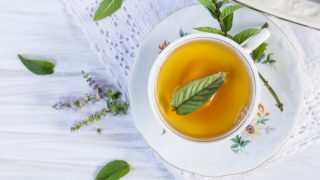
Lemon balm (Melissa officinalis) comes from the mint family and is considered to be a calming herb. It is used to reduce stress and anxiety, promote sleep, and improve appetite.
Essential oils extracted from it leaves contain plant chemicals called terpenes. This chemical is responsible for the herb’s relaxing effect. Aside from this, it also contains tannins which is responsible for the herb’s antiviral effects as well as eugenol which calms spastic muscles and kills bacteria.
Fruits and Vegetables
Many common fruits and vegetables have nutrients that can help reduce symptoms of anxiety. Following are samples of certain foods that anxiety sufferers can eat to naturally calm their condition. If incorporated into one’s weekly meals, a feeling of reduced restlessness or nervousness will soon be experienced.
Fruits
1. Almonds
Almonds are a good source of magnesium which is very beneficial during anxiety and panic attacks. This mineral is important in muscle relaxation as well as in minimizing nerve excitability. Thus, it helps to reduce the headaches associated with stress and anxiety.
2. Bananas
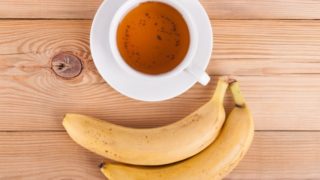
Bananas are the best fruit source of pyridoxine (vitamin B6) which helps with the production of the neurotransmitter GABA. Neurons in the brain need the biochemical GABA to produce calmness when overexcitability occurs. This neurotransmitter also acts to help produce endorphins which fight depression and anxiety conditions.
3. Avocado
Avocado is a fruit high in nutrient content. This fruit contains at most 20 vitamins and minerals as well as plant compounds that are beneficial to one’s health. It is high in B vitamins such as riboflavin (vitamin B2) and magnesium which are important in the reduction of anxiety.
Vitamin B2 / Riboflavin is important in the treatment of anxiety because it helps convert other B vitamins to useful forms so that they can do their work. Further, it assists in the production of infection-fighting immune cells which helps bolster one’s immune system.
Vegetables
1. Asparagus
Asparagus is a green vegetable high in thiamine (vitamin B1) and folic acid which are helpful in reducing anxiety and panic.
Vitamin B1 / Thiamine facilitates the synthesis of neurotransmitters that help regulate one’s mood. It also promotes the healthy function of the nervous system.
Folic acid also works to help keep one’s mood steady as they are needed in the synthesis of serotonin, which is a neurotransmitter that directly contributes to one’s mood in a positive way.
2. Mushrooms
Mushrooms are a great source of pantothenic acid or more commonly known as vitamin B5. This vitamin help support one’s response to anxiety and panic as it helps produce stress hormones during psychological difficulties such as anxiety, depression, and emotional upset as well as during chronic fatigue and strains brought about by quitting smoking.
3. Cauliflower
Cauliflower is a leading source of biotin which assists the body in the metabolism of carbohydrates, protein, and fats provided in foods. This mineral is very important during times of anxiety as it plays a special part in helping the body use glucose for energy as well as promotes the overall equilibrium with the other B vitamins.
Anxiety treatment not only involves the use of conventional drugs. Going all natural is also a great way of reducing anxiety symptoms. With a lot of natural options to choose from, it should be relatively easy for one to create an anti-anxiety diet that can lead to an enormous reduction of one’s anxiety problems.
About the Author: Ryan Rivera used to have severe anxiety. He tried conventional methods of treatment to no avail. Only when he focused on using more natural methods that he finally get rid of anxiety. More of these natural forms of anxiety management at www.calmclinic.com.