|
When you go to the supermarket, you can see several food products that claim to be organic. Numerous people are seen discussing benefits, prices and stores of organic food. Schools have started using organic milk in their cafeteria, lunch rooms and vending machines. Demand for organic beef is doubling every year in the US.
Scientifically, organic means a substance that contains carbon. But when we refer organic with respect to food or consumer goods, the meaning is different.
So what does organic mean? According to the Merriam-Webster's dictionary, 'organic farming' or 'organic produce' refers to food (and other products) produced by using feed or fertilizer of plant or animal origin without employing chemically formulated fertilizers, growth stimulants, antibiotics, or pesticides.
Organic labeling is supposed to indicate more than just the constituents of products. It indicates that production methods focus on minimizing air, soil and water pollution. The National Organic Program (NOP) at the United States Department of Agriculture (USDA) uses stringent standards and checks to ensure that consumers are assured of a supply chain, right from the producer to the retailer, that adhere to standards for maintaining the organic integrity.
What is Organic Food?
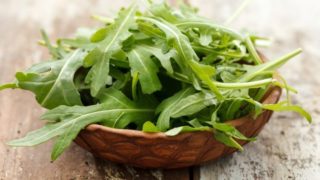
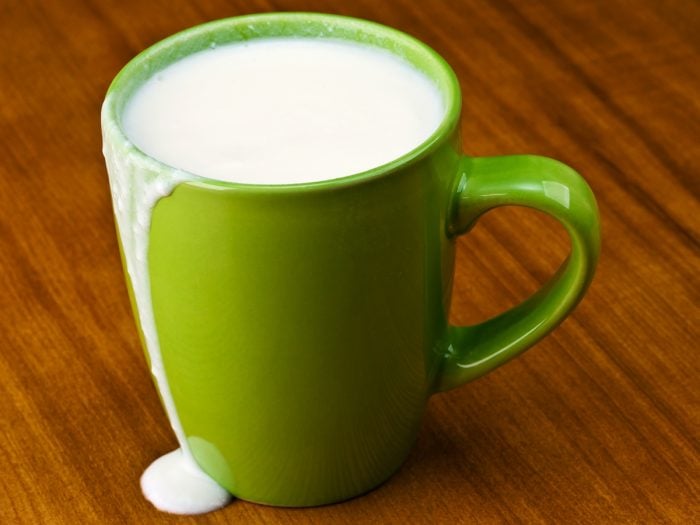
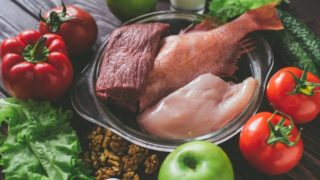
Organic food is referred to food items that are prepared according to organic means as defined by the certifying body. Common organic foods include organic meat, organic milk, organic oils, organic vegetables, organic groceries, and organic coffee.
The USDA categories food products into:
- 100% organic: Must contain 100 percent organically produced ingredients.
- Organic: Must contain at least 95% organic ingredients.
- Made of organic ingredients: Must contain at least 70% organic ingredients.
- Have some organic ingredients: May contain less than 70% organic ingredients.
The primary goal of organic agriculture is to optimize the health and productivity of interdependent communities of soil life, plants, animals and people. This does not mean that everything natural is organic, e.g., the USDA does not include water or salt as constituents of organic food.
|